2026-11-15
The cell's own molecular glues, and a village health worker with a prescription pad
A Nature paper shows that purine nucleotides work as molecular glues, holding the enzyme that makes purines against its inhibitor, and that thiopurine drugs in use since the 1950s glue the same pair. In rural Lesotho, a cluster-randomised trial let trained community health workers prescribe blood-pressure drugs themselves, and control held as well as in nurse-led clinics. Agents at Google DeepMind wrote over six million lines of Lean to prove security properties of Signal's compiled code in four weeks, while a separate Google team's agents formalised the Weil conjectures. When ten language models agree about a health claim, a Scientific Reports paper finds, they are often jointly wrong. And the WHO's tuberculosis report counts 2.2 million people who fell ill and were never diagnosed or never reported.
Connecting the dots
Two papers today put small molecules directly in charge of protein machinery rather than of gene expression. Purine nucleotides glue an enzyme to its inhibitor at physiological concentrations, which turns feedback inhibition into an interaction-stabilising event. Fumarate, piling up when fumarate hydratase is lost, chemically modifies one cysteine on UBA1, the single enzyme that activates ubiquitin for everything downstream, and the whole ubiquitinated proteome shifts. Metabolite-to-protein control, with no receptor and no transcription factor in between.
Two trials moved a decision and got opposite results. Lesotho moved the authority to prescribe from the clinic nurse to the village health worker, and blood-pressure control held. Pakistan moved the choice of where to put a mobile X-ray camp to a piece of software, and the primary comparison was null; the detection gain appears only in camps actually held near the recommended place. One changed who acts, the other changed a plan that then had to be followed.
Two ways of checking a machine's output met this week. In the Lean work, a proof kernel independent of the agents accepts or rejects what they wrote. In the health-claim study, verification by agreement fails: unanimity among frontier models is common and often wrong. Anyone building a medical agent is choosing between an external checker and a vote.
Speculation: single-cell measurement of the tRNA pool shows anticodon supply tracking codon demand as cells differentiate, and part of the mismatch between transcript and protein looks like a tRNA-availability gap. If that holds, a codon-optimised therapeutic mRNA is optimised against the tRNA pool of whichever cell state it lands in, and sequence design gains a cell-state argument it currently lacks.
New concepts
Purine nucleotides are molecular glues, and a 1950s drug was already exploiting one
A molecular glue is a small molecule that holds two proteins together. Until now they were known from plants and from drugs, as a commentary on the paper puts it:
"Molecular glue mechanisms have never been described in human endogenous pathways; historically, they are limited to plants and therapeutics." — Garcia et al., Trends in Biochemical Sciences, via PubMed
"Here we show that purine nucleotides are molecular glues that tether the rate-limiting enzyme in purine biosynthesis" … "Thiopurine chemotherapeutics, which have been in clinical use since the 1950s, glue the same complex but adopt distinct orientations for enhanced function." — Witus et al., Nature, CC BY 4.0
Why it matters: the cell brakes its own purine synthesis by stabilising a complex rather than by classical allostery, and a seventy-year-old drug class acts on that same interaction — which makes the presence of the partner protein a candidate determinant of who responds.
A metabolite switches off the apex of the ubiquitin cascade
"Mechanistically, fumarate-mediated C706 succination of ubiquitin-like modifier-activating enzyme 1 (UBA1), the primary E1 activating enzyme, significantly impairs its interaction with ubiquitin-conjugating enzyme E2 G2 (UBE2G2), concomitant with a global reduction of ubiquitination." — Fan et al., Cell Reports, abstract as deposited with the metabolomics
A designed cell-penetrating peptide blocks the modification and "enhances ferroptosis sensitivity of ccRCC" (same).
Why it matters: in clear cell renal cancer, the degradation schedule of the whole proteome becomes a readout of metabolic state through a single modified cysteine.
Basic biology
Partial knockdown of a pluripotency factor beats full knockdown
Titrated CRISPRi against NANOG and OCT4 in human embryonic stem cells, read out with Perturb-seq:
"indicating that mild perturbations of hESC TFs promote differentiation while strong perturbations compromise it." — Yan et al., bioRxiv
Why it matters: the dose–response is not monotonic, so the best setting is an intermediate dose and a knockout screen cannot find it. For a differentiation protocol the tuning knob is expression level, not presence or absence.
A T-cell requirement with nothing to do with the enzyme's chemistry
"A catalytically inactive METTL16 mutant restored proliferation in METTL16-deficient cells." — Cell Reports, via PubMed
METTL16 is a methyltransferase, raised in CD4+ T cells from people with inflammatory bowel disease, and T cells lacking it fail to expand.
Why it matters: what the cells need runs through translation rather than through methylation, so a drug aimed at the catalytic site would miss its point.
Methods
Methylation marks and transcripts from the same tissue section, without destroying the marks
"Spatial-DiSMHT-seq integrates microfluidic spatial barcoding with PCR-free Oxford Nanopore sequencing" … "Along the differentiation trajectory from radial glia to immature neurons, 5mC levels gradually decreased across space, whereas 5hmC levels concomitantly increased." — Yu et al., Cell Research, CC BY 4.0
Because the barcode is written into DNA and read without amplification, methylated and hydroxymethylated cytosine survive as native single-molecule marks and can be told apart, which bisulfite- and PCR-based spatial methods cannot do. The authors state the limit themselves: replicate sections agreed closely on transcriptomes and on 5mC, "whereas regional 5hmC concordance was lower (Pearson's r = 0.60)" (same).
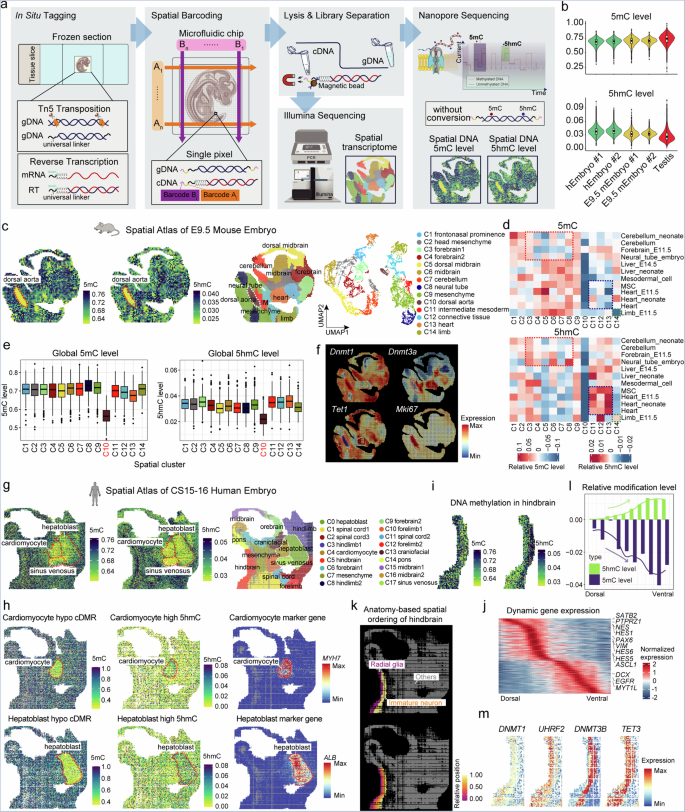 Figure 1, Yu et al., Cell Research 2026, CC BY 4.0, link
Why it matters: two epigenetic marks that usually need different, destructive chemistries can now be mapped in place beside the transcriptome of the same spot.
The tRNA pool becomes a single-cell modality
"Here, we develop a massively parallel assay for single-cell translatome and RNA sequencing (sctRNA-seq), which profiles transcriptome-wide mRNA and tRNA abundance simultaneously and chart the tRNA composition of 364,841 cells." — Kida et al., bioRxiv, via Europe PMC
tRNAs are short, heavily modified and tightly structured, which is why per-cell anticodon supply has been effectively unmeasurable. The authors report "a close correspondence between codon demand and tRNA-mediated anticodon composition during hematopoietic multilineage commitment", and that tRNA-mediated regulation "partially explains the discordance between mRNA and protein levels, particularly for selenoproteins and transcription factors" (same).
Why it matters: supply and demand for anticodons move together as cells commit, and part of the familiar transcript-to-protein gap gets a mechanism measurable in the same cells.
Aiming an oligonucleotide at a population rather than at one reference genome
A target site chosen on the reference may not exist in a given patient. Recast as covering every path through a region of a pangenome graph, the problem turns out to be hard in both directions:
"We formalize the resulting computational problem and provide complexity results: NP-hardness of identifying such minimal sets even for k =0, and coNP-completeness of verifying the validity of a given set of oligonucleotides." — Gocht et al., bioRxiv, CC BY 4.0
The formulation's own caveat: "Edit distance is used as an accepted proxy to the commonly used binding affinity." (same)
Why it matters: checking that a set of oligonucleotides covers all the variation in a region is harder than proposing one, and what the method outputs is coverage, not potency.
Also reported: a base editor small enough for one virus, correcting a founder mutation in MYBPC3 "at doses 20-fold below published dual-AAV cardiomyopathy base editing approaches" (Monnikhof et al., bioRxiv, via Europe PMC) — dose is where the toxicity and the manufacturing cost of viral editing sit.
Clinical trials
Village health workers who prescribe keep blood pressure controlled
In 103 rural villages in Lesotho, adults already on treatment were randomised to care by community health workers with independent prescribing authority, or to nurse-led clinic care:
"was controlled in 300 (78%) of 386 participants in the intervention group and 303 (74%) of 412 in the control group" … "These findings support community-based hypertension care with task-sharing to trained community health workers" — Lancet Global Health, via PubMed
Why it matters: randomised evidence that the prescription can leave the facility, in a setting where the facility is far away; non-inferiority was met.
A surrogate was hit in everyone and the outcome did not move
In myocardial infarction complicated by cardiogenic shock, intravenous cangrelor against crushed oral ticagrelor. Platelet inhibition at the end of the procedure separated completely — "was achieved in 56 (100%) of 56 patients receiving cangrelor and 15 (22%) of 68 receiving ticagrelor (p<0·0001)." — while the clinical endpoint did not:
"The 30-day primary clinical endpoint occurred in 112 (38%) of 298 patients receiving cangrelor and 126 (41%) of 307 receiving ticagrelor; non-inferiority was not demonstrated (difference -4 percentage points [90% CI -10 to 3]" — DAPT-SHOCK-AMI, Lancet, via Europe PMC
Why it matters: the mechanism was engaged in every patient tested and death, infarction and stroke were unchanged — the standing risk for any programme justified by the readout it shifts.
Also reported: aspirin after hip or knee replacement "was not noninferior to rivaroxaban or warfarin", while "Warfarin and rivaroxaban were not noninferior to aspirin for safety." (PEPPER, NEJM, via PubMed); the medicine concept below follows what that verdict rests on. And in 80 sub-wards in Tanzania, a blended digital parenting programme reduced past-month sexual violence against adolescent girls, "incidence rate ratio [IRR] 0·43 [95% CI 0·21-0·86]; p=0·018", with no effect for boys (Lancet, via PubMed).
Hospitals
Hospital sewers select for resistant bacteria; municipal wastewater does not
"the water from the hospital sewers promoted the growth of antibiotic-resistant bacteria, while the water from the municipal treatment plants had no effect." … Selection "was observed with all the hospital sewer samples and none of the municipal wastewater samples." — CIDRAP, on a University of Gothenburg study in Nature Communications
Ten hospitals and eight treatment plants were compared, and the senior author says the findings "highlight hospital sewers as a more likely site for resistance evolution than previously considered" (same).
Why it matters: resistance is being selected downstream of the ward, where no hand-hygiene or stewardship programme reaches.
In Lucerne, nurses send some children home
(translated from French) "In this hospital, nursing staff may authorise the discharge of children with certain illnesses." … "No unexpected complications or deaths were reported." — Medinside (originals: « Dans cet établissement, le personnel infirmier peut autoriser la sortie des enfants atteints de certaines maladies. » … « Aucune complication inattendue ni aucun décès n'ont été signalés. »)
A retrospective look at 355 stays for bronchiolitis, pneumonia, asthma or obstructive bronchitis across two winters; 62 children were discharged by nurses, with 14-day readmission of 3.2% against 3.4% under the usual procedure.
Why it matters: the same substitution as the Lesotho trial, in a rich country and for an acute decision, though reported as a before-and-after rather than randomised.
Detecting malnutrition and then doing nothing about it
(translated from French) "61.9% of patients with a diagnosis of malnutrition also had a documented dietetic consultation" … "better detecting malnutrition is not enough" — Medinside (originals: « 61,9 % des patients présentant un diagnostic de malnutrition avaient également une consultation diététique documentée » … « mieux repérer la malnutrition ne suffit pas »)
The analysis covers more than twelve million Swiss hospital stays from 2012 to 2022, and the article says it cannot establish cause and effect.
Why it matters: one inpatient in three coded as malnourished has no recorded follow-up — a gap between the diagnosis and the action, not in the detection.
Also reported: Brazil's Supreme Court "determinou a suspensão nacional de todos os processos judiciais sobre a Tabela SUS" (translated from Portuguese: "ordered the nationwide suspension of all lawsuits on the SUS Table"), in which hospitals argue that the public tariff "cobre, em média, apenas cerca de 60% do custo real dos procedimentos" ("covers, on average, only about 60% of the real cost of procedures") — Futuro da Saúde.
Medicine concept of the day
After a hip or knee replacement, how a cheap drug is judged "as good as" an anticoagulant
For weeks after a joint replacement, patients take a drug to prevent deep-vein thrombosis and pulmonary embolism. The choice is between aspirin and a true anticoagulant, each trading clots prevented against bleeding into a fresh surgical wound. The guideline that framed the decade accepts several agents and then prefers one only weakly: "we recommend the use of one of the following rather than no antithrombotic prophylaxis" … "We suggest the use of low-molecular-weight heparin in preference to the other agents" (Chest 2012, via PubMed). That left room, and many surgeons chose aspirin.
The trials since are all non-inferiority trials against the clots patients notice, so the verdict depends on a margin fixed in advance. Where aspirin followed a few days of an anticoagulant, it held: "extended prophylaxis with aspirin was not significantly different from rivaroxaban in the prevention of symptomatic venous thromboembolism." (NEJM 2018, via PubMed) Where it was the only drug from day one, it did not: "This failed to meet the criterion for noninferiority for aspirin and was significantly superior for enoxaparin" (CRISTAL, JAMA 2022, via PubMed).
This week's trial ran aspirin against warfarin and rivaroxaban for thirty days. Events were close — "in 77 of 6090 participants (1.26%) in the aspirin group, in 52 of 4231 (1.23%) in the warfarin group" — and the margin was narrower than that gap: "The noninferiority margin for the risk difference was 0.69 percentage points." (PEPPER, NEJM, via PubMed)
Why it matters: this is the machinery by which a cheap drug is allowed, or not, to replace an expensive one — a patient-felt outcome, a margin chosen before the data, harms weighed separately. Still unknown: which patients can take aspirin alone, and how to pick them before surgery.
Worth knowing
When language models agree about a health claim, they are often jointly wrong
"Large language models (LLMs) are increasingly proposed as tools to verify online health information." … "Majority voting did not help." — Artemenko et al., Scientific Reports
On a physician-labelled set of a hundred-odd short claims, in Russian and in English translation, "Three frontier models were unanimous on 90 of 108 claims, yet 31% of those unanimous verdicts were wrong", an effect "which we term consensus mirage" that "proves to be robust to prompt wording and language" (same).
Why it matters: consensus among models is being proposed as a cheap verification step for health information, and here it adds confidence without adding accuracy.
Urine, the cheapest liquid biopsy to collect and the least standardised to process
"However, the transition from experimental to clinically viable assays has been hindered by low sensitivity and low reproducibility among studies." — J Mol Diagn, via PubMed
A US National Cancer Institute working group has issued recommendations "to mitigate the impact of preanalytical factors on urinary cfDNA end points", offered as "a template to generate evidence-based, standard operating procedures" (same).
Why it matters: the first published fix for cell-free DNA in urine is procedural — how the sample is taken, held and spun — rather than a better assay.
Four plasma proteins in a family study of long life
"Four proteins: GSN, F2, CRTAC1, and HP, consistently associated with increased mid- and late-life survival" — Putter et al., medRxiv, via Europe PMC
The cohort is nonagenarian siblings plus their children and their children's partners, followed for mortality for up to two decades, on the premise that "chronological age alone does not capture the wide variability of healthspan observed across individuals" (same). None of the four survives multiple-testing correction against the family-level longevity score; three other proteins do.
Why it matters: the same samples can be read against inherited longevity as well as against survival, which is a different question from predicting an individual's age.
Atlases and datasets
A registry for cardiovascular resources, with almost nothing on its shelves
"containing metadata from human cohorts and clinical datasets, animal and cell models available for sharing." … "While the current holdings of the database are relatively limited" — Cardio2share, Database, CC BY 4.0
Cohorts, animal models and cell models "often remain out of reach due to limited data-sharing practices" (same). Searching needs no account; depositing means emailing an administrator who reviews each entry by hand.
Why it matters: metadata and contacts rather than data, with no record count published — the pattern where the schema for sharing arrives before the content.
Health systems and policy
Tuberculosis: millions never counted, cheaper cartridges, and a trial of AI choosing where to screen
"an estimated 10.6 million people developed TB and 1.1 million people died from TB" … "8.4 million were diagnosed, leaving an estimated 2.2 million either undiagnosed or unreported." … "Just 59% of newly diagnosed patients were tested using a WHO-recommended rapid diagnostic test." — WHO
Money is shifting from donors to governments, with domestic funding up by about a seventh in a year (same). One way to stretch a test budget, from Cameroon's national programme, is pooling: "samples from up to four people are combined and tested together with a single test cartridge", which "reduced cartridge use by around 65%" and "lowering the estimated cost of molecular testing from about $8 to $2.80 per person" (Health Policy Watch); the piece is by advocates and does not say how many cases pooling found.
Where to send a mobile X-ray team was itself randomised in Pakistan, across 68 districts, with software choosing sites. The primary comparison was null, "adjusted risk ratio 1·07, 95% CI 0·94-1·22; p=0·27"; restricted to camps held within five kilometres of a recommended location it was "1·32, 1·12-1·54; p<0·0001" (Lancet Global Health, via PubMed).
Why it matters: four in ten diagnosed patients still get no rapid molecular test and the money for those tests is now largely national; the levers on offer are pooling samples and choosing locations, the second only when teams go where they are sent.
The United States is losing its measles elimination status
"The Pan American Health Organization (PAHO) has revoked the measles elimination status of the United States" … "PAHO did not immediately respond to a request for comment on the report." — Contagion Live
"Through November 5, CDC has recorded 5,182 confirmed cases in 2026, already more than twice the total for all of 2025." … the loss would "carry primarily symbolic weight." — KFF
School-age MMR coverage "reached a new low of 92.4% in the 2025-2026 school year", with "39 states reporting rates that fall below the 95% target threshold" (same).
Why it matters: status held since 2000 means measles counts as imported rather than circulating, which changes how every case is classified and investigated.
Twenty years of one screening programme, with the costs attached
"The average cost per screened participant ranged from €10 to €12." … "Invitation coverage remained above 90% across most biennial screening rounds," … "Persistent participation and equity gaps highlight opportunities for further improvement." — Public Health, via Europe PMC
Colorectal cancer screening in Lombardy, northern Italy, 2006 to 2023, with "participation rates averaging 45-50% before the SARS-CoV-2 pandemic and recovering to 42% afterward" (same).
Why it matters: a well-run European programme reaches nearly everyone with an invitation and about half with a test, and now publishes what a screened person costs.
Also reported: ten African national regulators have reached the WHO's Maturity Level 3, and the African Medicines Agency's new technical committees "will provide independent scientific expertise across key regulatory functions" (WHO).
Big in machine learning
Agents prove security properties of deployed code, and formalise a theorem on their own
"Our work marks the first time AI has been used to formally verify a widely deployed cryptographic protocol at this depth." … "our verification process took just four weeks" — Google DeepMind
Agents "mathematically prove key security properties of the actual code" of Signal, generating "over six million lines of Lean"; people wrote and reviewed the specifications, and audits flagged "just one percent of the codebase" for human review. With two old bugs reinserted into an isolated copy, the system "produced a machine-checked proof that the buggy version was insecure" (same).
In the same week a Google Research team reports that "/teamwork-LEAP fully autonomously produced an end-to-end, machine-checked formalization" of the Weil conjectures, spanning "about 1.8 million lines of Lean, produced across 28,800 subagent invocations", with "each specialized agent receives only the exact files and tools it needs for a specific step". What people still do is confirm "that the formal theorem statement matches the original problem" (Google Research).
Why it matters: in both cases a proof kernel that does not trust the agents accepts the output, which is what makes these results rather than demonstrations.
A genomics model that takes the cell state as an input
AlphaGenome 2 is "a conditional model, taking a specific biological condition alongside an input DNA sequence", adds DNA methylation to its readouts, and on an immune-cell benchmark "reliably identified nearly twice as many causal variants (30% vs. 16%)" against the previous version fine-tuned on the same data (Google DeepMind). It is research use only.
Why it matters: a variant's effect depends on the cell type it is read in, and the condition — from a catalogue or a researcher's own single-cell data — is now an argument to the model.
AI: using it well
Five checks for anyone letting a chatbot write their RNA-seq analysis, from a Japanese life-sciences student: the sample-to-condition table, integer raw counts as input, the comparison direction, adjusted rather than raw p-values, and the model's claims about gene function. The reason: (translated from Japanese) "AI is good at making errors disappear, but it does not guarantee that the results are correct" and "The troublesome part is that the code does not raise an error even when samples are mixed up." (Zenn; originals: "AIはエラーを消すのは得意ですが、「結果が正しいか」までは保証してくれません" and "厄介なのは、取り違えてもコードはエラーを出さないことです。") The direction check uses genes with a known response as a positive control.
A new non-profit, STABL, will "run frequent open-ended evaluations to probe the upper bounds of AI capabilities on long, messy tasks", and reports that "expert reviewers unambiguously rejected the papers produced by frontier agents." (AI as Normal Technology)
And one sentence added to a system prompt, for repositories where agents write most of the code — "You are the owner and long-term maintainer of this codebase, and its design is up to you." — raised how often the model "consolidated duplicated code" from under a tenth of runs to about three quarters (Simon Willison).
Other frontiers
Mid-infrared photothermal tomography now gives chemical contrast in three dimensions inside living cells: "a platform for high-speed, label-free volumetric chemical imaging at the single-cell level," at "19.2 images per second," which is "approximately 400 times faster than previous approaches." (optics.org)
A speckle pattern from an integrating sphere, normally a nuisance, becomes a spectrometer fine enough to resolve rubidium hyperfine structure: "This represents the first direct measurement of atomic hyperfine structure using a speckle-based spectrometer." (optics.org)
Solution-processed quantum dots are closing on the expensive part of short-wave infrared cameras: "Most notably, they reached sensitivity levels comparable to those of commercially available InGaAs photodiodes." (optics.org)
And four microfluidic channels now share one electrode pair, the channel of origin recovered from the pulse shape, in a technique whose throughput "is fundamentally limited by coincidence events" (Microsystems & Nanoengineering). So far with polystyrene beads; cells are promised for later.
Patents
Two granted on 10 November turn a physical measurement into a classification. Polytechnique Montréal claims "performing a spontaneous Raman spectroscopy measurement on the drop of saliva received on the substrate", with a beam wide enough to cover an area of the drop rather than a point (USPTO). The University of California claims "A diffractive Quantitative Phase Imaging (QPI) network", a stack of physical layers "designed during a digital training phase" and placed in front of an ordinary intensity sensor, so the learned step is the optics (USPTO).
Startups and deals
A consumer wearable is buying the step that turns its measurements into a decision: "Oura said Tuesday it plans to buy artificial intelligence-based primary care company Counsel Health for $625 million in cash." and "Oura said it plans to pair the platform with biometric data from its smart rings." (MedTech Dive)
Switchpoint Bio, founded by the inventor of ATAC-seq with a clinical-genomics founder, "combines precision epigenomic profiling and AI to read that record" of what a treatment changed in a patient, on a pre-seed round (tech.eu).
Two lab-automation entries from one accelerator batch take opposite routes. One stays on existing benches — "We are building robots that can work autonomously in existing wet labs." (Y Combinator) — and the other starts after the instrument: "Our agents analyze instrument data, apply each lab's quality rules and draft source-linked reports." (Y Combinator)
Repos and tools
A library for auditing Raman classifiers band by band, described as "Process-aware, band-resolved inference and quality auditing for Raman spectroscopy", wraps a model you already have, and its control step "reports which wavenumber interval left its control limits, with no labels at all." (pypasi, MIT licence) Naming the wavenumbers a model is keyed to is the standing check against shortcut learning on substrate or laser line.
The Allen Institute released a brain-cell foundation model on the day of its preprint: "Bloom unifies brain cell representations across modalities and contexts", code MIT and weights CC BY-NC 4.0 (GitHub).
And a proteomics pipeline gets more sequence from the same instrument time: "mE-DIA splits a protein sample across several proteases, pools the digests, and measures them in a single DIA-MS injection.", claiming "substantially more unique peptides and amino-acid sequence coverage than single-enzyme DIA, at no extra instrument time." (GitHub; no numbers given)
Big tech
Nvidia's founder is out: "On Thursday morning, Nvidia announced that CEO Jensen Huang had resigned from the company" (Platformer). Anthropic opened its roadshow, with shares "expected to be between $70.00 and $78.00 per share." (Anthropic) Google released to everyone a model it had been giving to cybersecurity defenders only: "Today, we're making Gemini 4 Carbon available to developers, enterprises, scientists, and consumers." (Google)
Corners of the web
A liquid handler hands a microlitre or two back to the well at the end of every aspiration, and the vendor's position is that this is simply how the drive behaves: "They say this is normal backlash (hysteresis) of the dosing drive." and "They say the amount is fixed and cannot be changed, and that a correction curve does not change it." The poster's own attempts: "None of these changed the return." (PyLabRobot forum) The workaround under discussion is to over-aspirate, the kind of fix that quietly becomes a protocol.
Elsewhere, someone added a correlated regressor to a task fMRI model and watched the original effects vanish. The reply is a short lesson in handling that in the open: "These models answer different questions." … "report the alternative as a sensitivity check, rather than choose according to which preserves significance" (Neurostars).
People and good examples
A calibrated plastic drape becomes national policy in Nigeria
"a primary-outcome event occurred in 1.6% of the patients in the intervention group" … "Calibrated blood collection drapes are now produced locally." — ACEPHAP, Bayero University Kano
With usual care the rate was 4.3%, for a composite of severe bleeding, surgery for bleeding and death from bleeding. The mechanism is measurement replacing estimation: "use of the calibrated drape lifted PPH detection rates from 51 per cent to 93 per cent." (ThisDay via allAfrica) The health ministry has approved a rollout "leveraging on the existing E-MOTIVE sites across the 6 geopolitical zones of Nigeria." (ACEPHAP)
Why it matters: a trial result reached national policy through ministry approval and local manufacture of the device; the scale-up so far reports official counts rather than an evaluation.
Jules Angst (1926–2026), who followed healthy people too
"his work helped establish longitudinal epidemiology as a cornerstone of modern psychiatric research" … "contributing both to the consolidation of the distinction between unipolar and bipolar conditions" — Danuta Wasserman, World Psychiatric Association
The Zurich Study, begun in the late 1970s, enrolled people from the general population and examined them repeatedly for decades, on the premise that many psychiatric symptoms occur in people who never seek help.
Why it matters: sampling the population rather than the clinic is how he came to describe bipolar disorder as a spectrum, and it is the design that finds illness which never reaches care.
Reads and ideas
Doctors sent to the periphery who ended up writing the policy. Thailand's Rural Doctors Movement, the first movement to win the Ramon Magsaysay Award, grew out of a posting rule: brain drain "forced the government in 1967 to impose compulsory service for medical professionals in the rural areas". What those doctors did with what they saw, in the words of Vichai Chokevivat: "When I was a rural doctor, I saw many people taken ill and becoming almost penniless." … "To achieve this, we did the research, set the agenda, and communicated the suffering of sick people to society." Universal coverage was "implemented in 2002", after a party took the proposal into its campaign (Ramon Magsaysay Award Foundation).
An answer can be accurate and still leave people worse off. A behavioural scientist and an anthropologist propose testing chatbot health answers the way public-health messages are tested, because "Two completely truthful answers can produce opposite behavioral effects." and "AI cannot be neutral: Every accurate answer excludes many additional facts and emphasizes some over others." Their benchmark would ask whether "a response … makes people more or less likely to protect their health", restricted to areas of overwhelming consensus: "Messages, like medicines, can help, harm, or do nothing at all, and the only way to know which is to test them." (STAT First Opinion)
Book of the day
Normal Accidents: Living with High-Risk Technologies — Charles Perrow (1984)
Perrow's claim is that when a system is both interactively complex and tightly coupled, accidents are a property of its structure rather than of anyone's carelessness:
"A normal accident is where everyone tries very hard to play safe" … "The combination of complexity and coupling will bring down the system despite all safety efforts." — Perrow, The Montréal Review
His remedy is structural rather than procedural: "Modular systems enhance safety by making complexity less interactive and coupling less tight" (same). The sharpest objection comes from an organisational sociologist who re-examined the founding case: "First, it applies to only a very small category of accidents." … "Second, its concepts are ill-defined leading to serious ambiguities about just what the theory covers." … "Finally, the theory is of very limited policy relevance." (Hopkins, Safety Science 1999)
Why it matters: it gives two questions to ask of any pipeline, clinical or computational — where can failures interact in ways nobody listed, and where does a failure propagate with no slack before it acts. Perrow's own 2012 essay carries the idea in one sitting.