2026-10-15
Audit first: the database that drifted, the compartment that carried the signal
Half of the recent intensive-care stays in the most used public ICU database have no infusion rows at all, so part of the drift that people train models to chase belongs to the recording system. A cardiology group reports that the information in circulating troponin sits in which compartment carries it. A four-metabolite urine panel separated eight cancers well, and its authors did the screening arithmetic themselves and landed on a positive predictive value of 6.7%. Earth observation published a year-long single-blind test against metered gas releases, in which artificial-intelligence methods produced most of the false positives. Three intensive-care trials appeared in one journal on the same day, and the number that triggers treatment escalation in all of them is a weighted sum whose weights its own authors describe as arbitrary.
Connecting the dots
A test that is allowed to change needs a surveillance layer, and today three of its pieces were published separately. "Audit Before You Update: Recording Artifacts and the Limits of Bounded Model Updates in MIMIC-IV ICU Prediction" (arXiv) covers drift between the model and the data. "Monitoring for Shifts at Unknown Times: Parameter-Free Conditional Conformal Martingales" (arXiv) covers the statistics of noticing a shift you did not schedule. "Postmarketing surveillance of medical devices" (BMJ) covers harms after sale. Alongside them a cardiology journal asks readers for input on the US regulator's generative-AI discussion paper, "Regulatory Considerations for Generative AI: The FDA Asks for Help" (JACC), four days before comments close on 19 October (archive 2026-10-12).
Satellites now get blind-tested in a way diagnostics never do. "Evaluating space-based methane detection through a one-year blind test" (Nature) ran blind quarters against metered releases across competing vendors. Today's diagnostic equivalents are about the statistics for when no clean reference standard exists, "Bayesian Uncertainty Quantification of Breast-Cancer Pathology AI Agreement under Reader- and Annotation-Condition-Dependent Reference Labels" (arXiv), and about what is used with no evaluation at all, "How Safe Is ChatGPT Health Advice? Evidence from Real User Conversations in Four Global South Countries" (arXiv).
Which compartment, and at what prevalence. Today's troponin paper moves the question from how much analyte to which carrier, and the cancer-cachexia atlas of 2026-10-13 made the related point that the informative shifts sat inside the normal reference range. The metabolite panel below completes the arithmetic Gilbert Welch applied to multicancer screening on 2026-10-12: discrimination of 0.925 to 0.991 in a case-control design, and 6.7% of positives being cancers at a screening prevalence of 0.5%.
Speculation: separating a routine sample into compartments before running the ordinary analyser may be a cheaper route to new information than adding analytes. None of today's sources says this.
New concepts
Half the recent stays in a standard intensive-care database carry no infusion rows
"electronic health record databases also change how and what they record" — Tamanna et al., arXiv
"53.3% of stays (8,933 of 16,745) lack any inputevents rows" — same
"Phenylephrine (and related) preparations reassigned new ItemIDs." — same
Three recording artefacts in one widely used critical-care database: missing infusion records in the most recent era, a vasopressor identifier migration that makes a rising label rate look like a falling one, and a medication-administration module that did not exist early on. The authors then publish the sentence that limits their own adaptation result: "Per-era AUROC is measured for the final models, not for the model in use during each era". The same arXiv number carried a different paper in its first version, so summaries citing earlier numbers describe superseded work.
In a healthy heart, half the circulating troponin travels inside vesicles
"in cardiac homeostasis, total circulating cTnT is distributed in equal parts in EV and free-plasma compartments" — Krohn et al., JACC: Basic to Translational Science
"relative EV-bound cTnT making up a mere 12.5 ± 9.9%" — same
"a dramatic shift of >85% of total cTnT/cTnI compartmentalized in the free-plasma fraction" — same
Cardiac troponin is the most ordered cardiac blood test in the world, and the analyte here is unchanged: the measurement runs on routine hospital immunoassay platforms, after density separation and ultracentrifugation of the sample into a vesicle pellet and free plasma. In atrial fibrillation the vesicle-bound fraction dominates; in non-ST-elevation infarction the free fraction does. The authors mark the status of the work and the cost of doing it: "The present study is primarily of hypothesis-generating nature" and "identification and quantification of relative EV-troponin fraction are time- and cost-intensive".
 Figure 3, Krohn et al., JACC: Basic to Translational Science 2026, CC BY-NC-ND 4.0, https://doi.org/10.1016/j.jacbts.2026.101728
Basic biology
A sugar-shunting pathway decides cortical progenitor fate, and ribose puts it back
"We observed dynamic changes in core metabolic functions, including an unexpected increase in glycolysis and pentose phosphate pathway (PPP) activity during late neurogenesis." — Mil et al., Cell, via Europe PMC
"Pharmacological and genetic inhibition of PPP enzymes recapitulated these cell fate changes." — same
"Ribose was sufficient to rescue radial glia (RG) gene expression changes, revert organoid cell-type composition, and restore levels of ATP and hypotaurine." — same
Glucose was titrated in human cortical organoids, two pentose phosphate pathway enzymes were blocked with drugs and with knockdown, and the fate shift was then reversed by feeding ribose. Since glucose is already abundant in the medium, the rescue says the pathway's role in fate specification runs through its own products rather than through fuel supply, and the authors flag that as unexpected. They also publish their limits, including "an imperfect system due to clinical processing requirements" for the primary tissue and "Additionally, we are unable to report how sex influenced these results, as genotyping was not performed." This is the human counterpart of the neurodevelopmental metabolic shift reported on 2026-10-13.
A sequence code for neuronal microexons, and the autism variants that break it
"we detect hundreds of new microexons" — Parada et al., Nature
"Using machine learning, we define a sequence code predictive of neuronally spliced microexons and use this to identify critical regulatory elements surrounding the expanded microexon repertoire." — same
"This code further reveals genomic variants predicted to alter microexon splicing in individuals affected by autism, with rare variants having the strongest estimated impact." — same
Microexons are exons of a few codons, spliced mostly in neurons, and this is a model of the surrounding sequence rather than of the cell state: splice sites, branch points, RNA-binding-protein motifs and flanking intron. Cell type enters through the training labels, and the subtype specificity lives in the data, with new microexons "preferentially included in Vip-expressing GABAergic neurons". The architecture choice is stated plainly: "As the number of true-positive microexons was insufficient to train effective deep neural networks", the authors used gradient-boosted trees with transfer learning. The load-bearing word throughout is predicted.
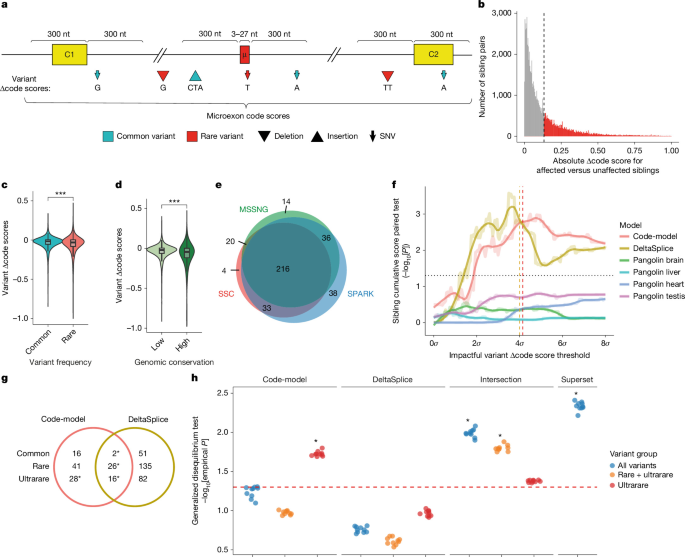 Figure 4, Parada et al., Nature 2026, CC BY 4.0, https://www.nature.com/articles/s41586-026-11119-w
Atlases and datasets
A metabolic atlas of the early human cortex. Thirty-one primary tissue samples across developmental stages with matched single-cell and single-nucleus RNA sequencing, metabolomics, respirometry and DNA methylation, plus organoids at five time points, deposited as GEO GSE292425 under a non-commercial licence (Cell, via Europe PMC).
A year of metered gas releases with the ground truth attached. The sensing study below released its reference data: "Ground-metered flow rate files, meteorology data files and cloud cover imagery" from the cooperative and blind phases, covering 746 events (Nature). Satellite imagery is not included, since the experiment team never held it.
An expanded microexon repertoire. The splicing work above adds 1,514 human and 1,115 mouse microexons absent from the standard annotations, with predicted effects for every evaluated variant in Supplementary Table 12, described as "Microexon Δ code scores and additional effect predictions for analysed variants" (Nature).
Methods
A year-long single-blind test of competing sensors, scored against metered releases
"Here we conduct a year-long, single-blind test involving 746 events: 481 methane releases of 9.5–1,183.7 kg h−1 and 265 blank controls." — Reuland et al., Nature
"demonstrate excellent detection performance (92–100% true positive rate, 0–11% false positive rate)" — same
"Artificial intelligence-based methods show promise, but caution is warranted; 79% of false positives emerge from these methods." — same
"Ground-measured cloud cover >20% degraded performance across systems." — same
The transferable object here is the protocol: one cooperative phase in which teams may calibrate, then blind quarterly phases, a fixed reporting window per phase, ground truth released only after the window closes, a standard submission template, and public archiving after unblinding. Instruments built for the target performed well; repurposed and general-purpose systems did not, and the detectors with learned components concentrated the false alarms. The authors name the next step themselves, a test in which participants do not know where the source is. The paper is not openly licensed, so no figure is shown here.
Clinical trials
Starting the second vasopressor earlier did not reduce septic shock mortality
"Mortality at 28 days occurred in 628 of 1975 patients (31.8%)" against "655 of 1984 patients (33.0%)", "adjusted marginal odds ratio, 0.98 [95% CI, 0.87 to 1.06], P = .62" — VASSPR, JAMA, via PubMed
A cluster-crossover pragmatic trial of two hospital policies, 3,959 patients across 13 hospitals in Idaho and Utah, registration NCT06217562. The policies did change behaviour, and the conclusion is that "a strategy recommending initiation of vasopressin at a lower dose of other vasopressors did not reduce 28-day mortality".
Inhaled sedation did not reduce mortality in hypoxaemic respiratory failure
"161 of 379 patients (42.5%) in the inhaled sedation group had died, compared with 171 of 390 patients (43.8%)", "risk ratio, 0.98 [95% CI, 0.84 to 1.14]; P = .85" — SAVE-ICU, JAMA, via PubMed
Open-label superiority trial in 14 Canadian intensive care units, 786 randomised, registration NCT04415060.
Adding dobutamine during surgery reduced acute kidney injury in septic shock
acute kidney injury in "22.8% (66/290) randomized to receive dobutamine plus norepinephrine" against "34.7% (102/294) randomized to receive norepinephrine alone", "adjusted risk ratio [ARR], 0.64 [95% CI, 0.49-0.83]" — JAMA, via PubMed
An open-label trial in 39 tertiary hospitals in China, 584 adults undergoing surgical source control, registration NCT06462313. The positive result of the day came from an upper-middle-income country, and the two strategy trials from high-income systems were null.
A closed loop kept patients in the oxygen target range far more of the time
The autonomous titration arm spent a mean 85% of time (standard error 1) inside the target range against 63% (standard error 2) with manual titration, in 300 hospitalised adults on supplemental oxygen, results first posted on 14 October (NCT06374225). The endpoint is process control rather than patient outcome, which places it beside the electroencephalogram-guided opioid titration of 2026-10-14, where a measurement-guided loop did not change dosing.
Digital outreach for lung cancer screening reached one invitee in nine, and fewer among Black and Hispanic invitees
"Of 26,909 individuals invited, 3,049 (11%) completed LCS eligibility questions within 16 weeks of invitation." — Bundy et al., Journal of General Internal Medicine, via PubMed
"White participants had higher reach compared to Black and Hispanic participants (12.8% vs 8.6% and 8.0%)" — same
Adding text messages for people unreachable through the patient portal lifted reach "by 604 participants", from 2,445 to 3,409. Several authors hold equity in the company licensing the outreach tool. This is the step before any measurement happens, and the Tanzanian screening trial of 2026-10-14 was the step after.
Also posted on 14 October: obinutuzumab held 95.5% of children and young adults with frequently relapsing nephrotic syndrome in sustained remission at week 52 against 73.2% on mycophenolate, p=0.0031, in 85 participants across nine countries (NCT05627557).
Hospitals
Italy: one resident in ten now reports giving up care, waiting lists first among the reasons
(translated from Italian) "9.9% of residents report having given up medical visits or specialist tests in the last 12 months" … "The main reasons are long waiting lists (6.8%)" … "Public coverage stands at 74.3%, against 78.8% in the EU-27 countries and 81.9% in the historic EU-15." — Quotidiano Sanità, 14 Oct Original: "il 9,9% dei residenti riferisce di aver rinunciato, negli ultimi 12 mesi, a visite mediche o esami specialistici" … "Le principali motivazioni sono le lunghe liste d'attesa (6,8%)" … "La copertura pubblica si attesta al 74,3%, contro il 78,8% dei Paesi Ue-27 e l'81,9% dei Quindici storici dell'Ue"
The same report gives 7.6% for 2023 and 6.4% before the pandemic. Read with the Court of Auditors finding that the spending caps were breached in every region (archive 2026-10-13), it describes rising cost and unmet demand at once.
São Paulo ties a tenth of hospital budgets to outcomes and ends automatic transfers
(translated from Portuguese) "applies from 1 July 2027" … "Currently, there are about 60 hospital institutions with contracts with the state of São Paulo." … "90% of the amount for all hospital care output and 10% related to clinical outcome." — Futuro da Saúde, 14 Oct Original: "passa a valer a partir de 1º de julho de 2027" … "Atualmente, são cerca de 60 instituições hospitalares com contratos junto ao estado de São Paulo" … "90% do valor para toda a produção assistencial hospitalar e 10% relacionada ao desfecho clínico"
The article calls it "o fim da lógica de repasses automáticos" (the end of the logic of automatic transfers), with budgets built from "um custo médio de R$ 10.906,18 por saída hospitalar" (an average cost of R$ 10,906.18 per hospital discharge).
Korea: 3.95 trillion won into restructuring tertiary hospitals, with no performance evaluation yet
(translated from Korean) "The project received 3.953 trillion won through August 2026." "However, according to the submitted materials, no performance evaluation of this project has been conducted yet." … "78.1% of total funding went to projects that have never undergone a performance evaluation." — Korean Doctors' Weekly, 15 Oct Original: "이 사업에는 2026년 8월까지 3조9,530억원이 투입됐다." "그러나 제출 자료상 이 사업의 성과평가는 아직 실시되지 않았다." … "전체 재정의 78.1%는 성과평가를 한 번도 거치지 않은 사업에 쓰인 것으로 나타났다."
The figures come from insurance-review data released by a member of the National Assembly health committee. The day before, the same outlet reported that "2,064 (23.7%) of the 8,720 special medical devices held by clinics and hospitals nationwide were counted as manufactured 15 or more years ago" (translated from Korean; "8,720대 중 2,064대(23.7%)가 제조된 지 15년 이상 된 것으로 집계됐다"), covering computed tomography, magnetic resonance and mammography units, with no system linking equipment age to quality-inspection results (14 Oct).
England: electronic patient records cause missed, delayed and wrong care, and the risk persists
"The review found that EPR systems could contribute to the risks of patient care being missed, delayed or incorrect." "These risks were persistent despite national recommendations and actions seeking to mitigate them." "Staff training in how to use an EPR system was often perceived to be limited." — HSSIB, thematic review of 50 reports
The review also finds that "Local configuration of EPR systems had the potential to introduce new risks to patient safety", which places part of the hazard in the local build rather than the product. Japan's national cyber office issued a parallel warning the same week after repeated data leaks, calling for measures including "countermeasures against supply-chain intrusions" and adding that "Medical institutions also need to take care." (translated from Japanese; 「医療機関も注意が必要だ。」) (CBnews, 15 Oct).
Medicine concept of the day
Norepinephrine-equivalent dose, the trigger that three trials were built on
Septic shock is itself defined by a drug: Sepsis-3 identifies it by "a vasopressor requirement to maintain a mean arterial pressure of 65 mm Hg or greater" plus "serum lactate level greater than 2 mmol/L" (Singer et al., JAMA 2016). Patients get several vasopressors at once in different units, so severity and escalation thresholds are expressed in norepinephrine equivalents. "Calculating equipotent doses between vasopressor agents is necessary in clinical practice", and a scoping review that screened 16,315 articles found published potency ratios spanning "epinephrine (0.7-1.4), dopamine (75.2-144.4)" and "phenylephrine (1.1-16.3), vasopressin (0.3-0.4) and angiotensin II (0.07-0.13)" (Goradia et al., J Crit Care 2021).
The weights are admittedly opinion. The latest revision states "First, with scarce evidence, the conversion ratio for each vasopressor agent is determined arbitrarily", records that for one drug "we arbitrarily applied a correction factor of 0.2 to the dose of methylene blue in mg/kg/h", and notes "we need to renew the NEE equation whenever a new vasopressor emerges" (Kotani et al., Critical Care 2023, CC BY 4.0).
Guidelines escalate on this number anyway. The Surviving Sepsis Campaign says "we suggest adding vasopressin instead of escalating the dose of norepinephrine", notes "In our practice, vasopressin is usually started when the dose of norepinephrine is in the range of 0.25–0.5 μg/kg/min", and concedes "The threshold for adding vasopressin varied among studies and remains unclear." (Evans et al., via Europe PMC).
The randomised evidence for starting earlier was always thin: "there was no effect of vasopressin on 28-day mortality [relative risk (RR) 0.98, 95% CI 0.86-1.12]", with "Vasopressin led to more digital ischaemia" (Nagendran et al., Intensive Care Med 2019). The push for earlier initiation came from records: "The odds of in-hospital mortality increased 20.7% for every 10 µg/min increase in norepinephrine-equivalent dose" at initiation (Sacha et al., Crit Care Med 2022). A critical-care reference had already named the likely reason, that such findings "almost certainly reflect" confounding, since "early vasopressin utilization may reflect a more aggressive sepsis management strategy overall" (IBCC). Yesterday's 3,959-patient trial found an odds ratio of 0.98. For anyone learning treatment-timing policies from intensive-care records, both the confounding and the made-up coefficients are inherited.
Worth knowing
A four-metabolite panel across eight cancers, with its own screening arithmetic attached. "the label-free Gaussian mixture model achieved an AUC of 0.925" "compared with 0.991 for the best supervised model", and "Discrimination ranged from 0.996 (mesothelioma) to 0.707 (liver cancer)". Then: "At an assumed screening prevalence of 0.5%, the PPV fell to 6.7%". The authors disown the screening reading themselves, writing that "whether these metabolites are elevated before clinical diagnosis, the premise of any screening application, is untested" and that "the low positive predictive value at screening prevalence indicates" "that the panel is not suitable for population screening". Apparent tissue-of-origin accuracy turned out to track which analytes were measured at all, "indicating that much of the apparent accuracy reflected assay coverage". Targeted mass spectrometry of creatine riboside, N-acetylneuraminic acid, cortisol sulfate and a cholestane pentol glucuronide in 4,225 samples from 4,105 people. medRxiv, CC BY 4.0
A metabolomic age clock built on the cheap end of mass spectrometry. "we profiled plasma metabolomes from 18,476 participants aged 1 to 96 years across six centers in China" using "nano-assisted laser desorption/ionization mass spectrometry (LDI-MS)", deriving "metabolomic age acceleration (mAA)" that carried "increased risk of incident chronic diseases, such as fatty liver disease, hypertension, and diabetes" "as well as increased all-cause mortality". Fifty-six metabolites, one platform, a life-span age range. Science Translational Medicine, via PubMed
Radiologists argue whole-body screening is held back by economics and reading time. "First of all, lack of standardization is not the same as lack of clinical evidence." … "Post-processing and interpreting complex imaging studies, such as WBMRI, probably requires more time than acquiring them." Acquisition is already down to "20 min" with algorithmic help, and the trade-off is put as a choice between studies, "deciding whether it is better to acquire ten knee MRIs instead of one WBMRI." The authors also name the cascade without quantifying it, since incidental findings "may trigger additional examinations, increase healthcare costs, prolong reporting times, generate patient anxiety, and potentially contribute to overdiagnosis". Martín-Noguerol, Vilanova and Luna, editorial
Health systems and policy
A rare-disease framework that writes down what can stand in for a large trial. The US regulator "officially announced the launch of the Rare Disease Framework Initiative", with a white paper describing a "regulatory model engineered to match trial requirements to the realistic evidentiary constraints" of small, dispersed populations. It names "novel Bayesian trial designs that can extract statistically valid efficacy signals from just a handful of trial participants" and would treat patient input "as structured qualitative data rather than a ceremonial addendum", against a backdrop where of rare diseases "only approximately 5% currently possess an FDA-approved treatment". A stakeholder summit follows on 28 October. HIT Consultant, 14 Oct
An approval extended by biological similarity instead of a new trial. Anktiva was cleared "for adults with high-grade papillary-only bladder cancer that has not spread into the bladder muscle", and "It is the first therapy approved specifically for this setting." The regulator's oncology director said "our review of the similarities between these cancers allowed us to build on the results in patients with" carcinoma in situ, adding "This approach may also help guide the development of future treatments." Healio, 14 Oct
WHO Europe puts an assistant on top of a cheap conversation. The regional office launched an "AI-powered hub for health professionals" that "aims to help identify alcohol-related risks", where clinicians "can now ask the hub's AI assistant how to ask about alcohol consumption" and get "an answer based on WHO evidence". The hub packages a ten-question screening test and brief intervention. Only "15 per cent of people surveyed in 14 European Union countries know that alcohol can cause breast cancer." UN News, 14 Oct
A second large philanthropic bet on maternal and newborn survival in three days. Ethiopia joins "un programme d'investissement de 90 millions de dollars US sur cinq ans" (translated from French: a US$90 million investment programme over five years) from the Beginnings Fund, which works "en investissant dans les personnes, les produits et les systèmes de santé" (by investing in people, products and health systems) across ten African countries, with support from "la Fondation Gates, la Fondation Children's Investment Fund et Delta Philanthropies". The split between funders is not given. It follows the $100 million stillbirth programme reported on 2026-10-14. allAfrica, 14 Oct
The reporting rules cannot compel the report. "On October 2, the World Health Organization (WHO) learned from media reports that a 28-year-old employee" of a plague research institute had died, and "Moscow's answer, on October 6, failed to identify what had killed her." The International Health Regulations "cannot hold countries accountable for lacking transparency around potentially harmful disease events", so "If what happened in Irkutsk was a containment failure, no international instrument obliges Russia to say so." The 24-hour detection goal of the WHO Pandemic Hub (archive 2026-10-13) sits on top of exactly this. Judy Twigg, Think Global Health, 14 Oct
Switzerland will require reporting of device supply failures from August 2027. (translated from German) "Now the reporting obligation for supply disruptions is to be extended to vital medical devices." … "The new reporting obligation is to enter into force on 1 August 2027." … "Shortages of medicines and medical devices have increased in recent years." Reports go to the federal office for economic supply, so that measures can be taken early. Medinside, 14 Oct
Original: „Nun soll die Meldepflicht für Versorgungsstörungen auf lebenswichtige Medizinprodukte ausgeweitet werden." … „Die neue Meldepflicht soll auf den 1. August 2027 in Kraft treten." … „Engpässe bei Medikamenten und Medizinprodukten haben in den letzten Jahren zugenommen."
Patents
A sensor-chip maker now holds a European grant on a packaged Raman module: "A sensor module for Raman spectroscopy, comprising a sensor package which encloses" an integrated circuit and an emitter "operable to emit light with multiple excitation wavelengths to excite Raman scattering in an external probe", with "a lock-in amplifier operable to receive the sensor signals and to receive the reference signal from the modulator, and to perform phase-locked detection" (EP 4551912 B1, ams International). A broader grant covers voice: "training an autoencoder with training voice recordings", then a classifier "to detect the target medical condition from output from the encoder", for any condition (EP 4360086 B1, AIVA Global).
Startups and deals
An interfering RNA given under the skin lowered tau in cerebrospinal fluid. Arrowhead reports that its delivery platform "achieves clinical validation for delivery of siRNA that crosses the blood-brain barrier after subcutaneous injection", with "a mean reduction of up to 73% at Day 105 and a maximum reduction of 85%" in healthy volunteers. Interim phase 1/2a, biomarker only. Arrowhead via BioSpace, 14 Oct
The third AI-platform licensing deal of the week. "Generate will receive USD 30 million up-front, up to USD 35 million in early preclinical milestones" and "is eligible for total milestones of nearly USD 1.2 billion" "plus tiered royalties for two initial programs, with an option to add a third", for designed metabolic proteins. The platform "integrates generative AI with high-throughput experimental validation". It follows the two pharma licensing deals of 2026-10-13 and 2026-10-14. Zealand Pharma via Yahoo Finance, 13 Oct
Strong cell-free DNA science and a large laboratory network did not make a product. (translated from Chinese) "KingMed's announcement of 12 October 2026 shows that DRA Company Limited was formally dissolved on 9 October." The venture paired a national testing group with the laboratory that developed noninvasive prenatal testing, split fifty-fifty, and in about eight years brought nothing to market. VCBeat
Original: 「金域医学2026年10月12日的公告显示,DRA COMPANY LIMITED(以下简称:DRA)已于10月9日正式解散。」
Repos and tools
cleavemap will "Map proteolytic cleavage sites and neo-termini in mass-spectrometry proteomics data." and "takes peptide identifications from FragPipe, MaxQuant or DIA-NN", MIT licence, one star (GitHub). It joins the agent-auditable mass-spectrometry stack of 2026-10-12 and 2026-10-14.
HTAN in R offers "Human Tumor Atlas Network data in R, as Bioconductor objects, with no Google account." and "The metadata comes from a versioned parquet snapshot that you query locally with dplyr through DuckDB.", MIT, on a US cancer institute grant (GitHub). Access friction removed from a reference atlas.
FoldMatch puts structure-aware homology search into protein-database infrastructure: "It is an alternative to BLOSUM62, trained so that its alignments reproduce structural (US-align) residue correspondences." MIT (Hugging Face).
AI: using it well, what's new
A chemical world measured in advance, so agents can replay it. Leash Bio describes "a framework of premeasured experimental worlds" where "we deliberately premeasured an enormous experimental landscape and let agentic scientists play" inside it, so that "we have the outcome of all possible SAR campaigns of this type in this chemical space". The task given to models: "You get a budget of 100 molecules; you can test up to 5 at a time, and you get no starting points." Reported behaviour: "Weaker models persist in local basins; stronger models leave them more frequently". About 100,000 trajectories were run in six weeks. Ian Quigley, Leash Bio, 14 Oct
An outbreak answered with population and satellite layers. "The agent connects Gemini to the capabilities of Earth AI's foundation models", and in the Ebola response a WHO regional team "pinpointed 48 exposed settlements and located more than 45,500 at-risk people". Google reports that "combining these population and satellite signals improved predictions of health outcomes by 12% over demographic baselines" (Google Research, 14 Oct). The same day it opened a reviewing system worldwide, "an agentic AI system engineered to provide rigorous feedback and technical verification on complex documents", after "Following successful deployments across 16,000+ submissions at STOC, ICML, NeurIPS, and ICLR", with "Every user receives two complimentary document reviews per week." (Google Research)
What an independent audit of an agent fleet costs. "During the Hugging Face investigation, we spent roughly $400K in API credits over the course of six days." and "We estimate that a rigorous two-month investigation with this scope would have spent over $10M in API credits." The rule attached is about where monitoring has to run: "Monitoring is only useful insofar as it is actually being run on relevant traffic.", needing "At least ~100k roughly representative transcripts from internal agents" and "access to all of the code in the critical path." METR, 14 Oct
Other frontiers
The largest liquid-chromatography mass-spectrometry vendor adopted an open agent protocol: its new software is "a software capability that brings Anthropic's Model Context Protocol (MCP) to its informatics platform", with an open hardware specification "cutting instrument integration from weeks to hours" and audit trails carried "as the molecule moves into downstream, regulated settings". Early access now, general availability in November (Waters via PR Newswire, 13 Oct). Separately, a microscopy prize was revoked because "its submitter later acknowledged that parts had been 'rendered'", and 469 microscopists from 36 countries signed an open letter whose authors write that "the questions this raised reach well beyond one competition, into our own labs, papers and outreach." (FocalPlane, 14 Oct)
Corners of the web
A lab replaced an oversubscribed commercial cell counter with a printed chamber on an open microscope, because "Counting cells with a haemocytometer is slow, tedious, and notoriously variable between operators." The honest numbers are in the README, "In this range, a mean error of 19.1% (Cellpose) and 34.2% (Threshold) were achieved.", with the scope stated as "Not a validated clinical or diagnostic device. This is a research tool." (GitHub). Elsewhere a genome-figure tool moved off the server entirely: (translated from Japanese) "Drawing uses Pyodide to run the Python drawing code in the browser." Its author reimplemented only the sequence-similarity features he needed, in Rust compiled to WebAssembly (Satoshi Kawato, Qiita).
Original: 「描画処理はPyodideを使って、Pythonの描画処理をブラウザ内で動かす構成にしました。」
People and good examples
Ghana reports a 98% fall in malaria deaths, and names what is still missing. "Between 2011 and 2025, Ghana has seen a 98% drop in malaria fatalities", with "only 52 people in the country are thought to have died from malaria in 2025". A hospital infectious-diseases head says "In the last two years, we haven't identified a single case where we could say: this person died of malaria". The national programme's head of diagnostics and treatment describes the method: "We are realistic about the impossibility of eliminating the disease across the entire country at the same time." … "Our approach is elimination by district, and the goal is to ensure that we achieve zero malaria in Accra by 2028." The vaccine now reaches "more than 130 out of 216 constituencies nationwide", and the published gap is adherence rather than supply, since "only 70% of patients have received the fourth dose by 18 months of age". Claudia Lacave, Gavi VaccinesWork, 14 Oct
A volunteer ambulance service, measured over six years. In Cape Town, "HBVEMS responded to approximately 12% of all call-outs in the Hout Bay area" between 2015 and 2020, "which equates to 2187.16 h of operational time spent on calls", with "the 42.3% faster response of HBVEMS" against the provincial target. The authors attribute the speed to local knowledge, "Anecdotally other reasons for the faster response times may include tacit knowledge of the roads", and the arrangement is formal: "HBVEMS is integrated with the WCGH: EMS via a service level agreement (SLA)". One sponsored ambulance, about twenty active volunteers a year, running since 1994. Cunningham, Rosenberg and Kahle, African Journal of Emergency Medicine 2022
Reads and ideas
Chinese industrial policy as a tournament between cities. "But Beijing's role is more akin to being a rulemaker in a great tournament." … "Subnational governments – provinces, cities, towns, villages – are responsible for around 85 percent" of public spending, and promotion tracks local growth. The authors give the equity side too, "In 2008, the municipal government invested $500 million in the electronic display company BOE Technology", and "Hefei's investment in carmaker NIO, which the city backed in 2020 in exchange for a 24 percent stake". Their comparison: "Local governments in the West have many of the tools that China's cities have, but they lack the same incentives." Ben Southwood and Robin Rivaton, Works in Progress, 14 Oct
A 95% cure, and two countries delivering it at 80% and 50%. Drugs that "cure more than 95% of people with chronic disease in just eight to 12 weeks" reach "only around 50% of Americans with chronic hepatitis C", while "England, which aims to eliminate the virus by 2030, has already met its goal of treating 80% of its hepatitis C infections." What England changed is where testing happens, with opt-out testing in emergency departments, vans and home kits. What blocks the other system is listed as "administrative hurdles, including referrals, prior authorizations, insurance requirements" (Chan, Epstein and Nunn, STAT First Opinion).
Book of the day
Poor Economics, Abhijit Banerjee and Esther Duflo (2011), chapter three, on why cheap prevention goes unused. The experiment behind it ran in 134 villages in Rajasthan where "Immunisation rates were less than 2% among 1-3 year olds". A reliable monthly camp raised full immunisation to 18%; adding "1 kg of raw lentils per immunisation administered" raised it to 39%, and cost per fully immunised child fell from $55.83 to $27.94 because the nurse's fixed cost spread over more children. The authors' reading is about timing, "the natural tendency to delay a slightly costly activity", and their conclusion is that "Small incentives have large positive impacts on the uptake of immunisation services in resource poor areas" (Banerjee, Duflo, Glennerster and Kothari, BMJ 2010).
The same paper states the limit that later proved real: "In areas where initial immunisation rates are higher, similar interventions might not produce as dramatic an increase." In Haryana, at a higher baseline, the lentil alone did not travel. "The policy with the largest impact (which combines incentives, ambassadors who are information hubs, and reminders)" "increases the number of immunizations by 44% relative to the status quo.", while "The most cost-effective policy (information hubs, ambassadors, and SMS reminders but no incentives)" "increases the number of immunizations per dollar by 9.1% relative to status quo." (Banerjee et al., arXiv). What transported was the diagnosis that people intend to act and do not; the lever had to be found again locally. Read beside today's screening-outreach trial, where 11% of invitees answered and text messages added the rest.