2026-10-20
A million trained health workers without a job, a troponin test moved to the bedside, and a model that counts one trial twice
The World Health Organization's African regional office counts nearly a million trained health workers without a job, in a region that has under half the workforce it needs; imaging staff and laboratory technicians are among the cadres most often unemployed. In New Zealand, six emergency departments ran a high-sensitivity troponin assay on whole blood at the bedside instead of in the laboratory, and cut the stay by three quarters of an hour with the same event rate at thirty days. A language model can tell that two papers report one trial and still counts them twice when it adds up the evidence. Coherent Raman photons were made to travel straight back toward the lens from a homogeneous liquid, a direction that was supposed to need an interface or disorder. The US regulator approved an antibody alone for a genetically defined rectal cancer, so some patients can skip chemotherapy, radiation and surgery, on a one-year response endpoint and pending a confirmatory trial.
Connecting the dots
Three registers counting the wrong unit. A verification paper opens with "Publication count is not study count." and shows a model that recognises shared trial lineage yet over-credits the second report when aggregating. A decade of funded resistance surveillance describes networks "generating isolate-based data that are incompletely linked to population denominators, or clinical syndromes and outcomes". Last week a West African observatory counted one malaria episode seen at three clinics as three cases. In each case the row in the register is a different object from the thing the decision is about, and a system that scores support by counting its own rows inherits the error.
A marker, an outcome and a patent tribunal. In people past ninety, the axonal protein neurofilament light predicted death while the amyloid and tau markers "did not predict mortality despite reflecting post-mortem AD neuropathology". The same day a European patent board revoked a diabetes drug's cardiovascular patent because the filing held biomarker data only, with "no evidence for this postulated mechanistic link", and recalled that "rosiglitazone had subsequently been found to increase cardiovascular risk." Among today's titles, "Urinary phthalate exposure in relation to plasma neurofilament light chain and cognitive function among older adults" puts the same analyte on the exposure side of the chain. Whether a marker that predicts death from all causes is a mediator or a frailty signal, none of the three sources settles.
Four remedies for the model that works only at home. Yesterday a resistance model trained on one hospital's mass spectra inverted at the next. Today "A synthetic MALDI-TOF MS atlas for microbial classification across hospitals" offers generated spectra as shared training ground: "A neural network trained only on synthetic spectra achieved F1 scores ranging from 0.788 to 1.000 across external cohorts." Beside it in the same day's lists sit "Average accuracy hides where a brain-imaging psychosis risk model fails across clinical cohorts", "Input- and Feature-Space Correction for Cross-Hospital IHC Grading" and "Trustworthy machine learning of diffractograms to prevent silent failure of apparently accurate models". A shared atlas, a report of where it fails, a correction at the receiving site, a catch for the confident wrong answer.
The readers exist. Tunisia linked thirty hospitals so that "more than 120,000 remote medical imaging readings in one year" could cover regions without specialists (translated from French; original: « plus de 120 000 lectures d'imagerie médicale à distance en un an »). The WHO report puts unemployment among "medical imaging personnel (40.86%)", the second highest of any cadre. Speculation: a national reading pool staffed from that cadre is where these two facts point, and no source today proposes it.
New concepts
Publication count is not study count
"Publication count is not study count." — Krishna et al., arXiv
"A model can identify shared trial lineage correctly in a direct task yet over-credit a second publication from the same trial when aggregating evidence." — same
"Across all three original provenance families, GPT-5.5 identifies the independent update in 10/10 recognition calls per family but over-credits the same-trial report in 5/5 separate aggregation calls per family." — same
Knowing the lineage and using it turn out to be different skills, and an instruction to group by study removes most of the over-credit.
Why it matters: any evidence aggregator or literature graph that scores a claim by the number of papers behind it has a measured failure mode and a cheap intervention to try first.
At extreme age the axon marker predicts death and the Alzheimer markers do not
"We followed 559 individuals aged 92-107 from three oldest-old cohorts for up to 16 years: cognitively healthy Dutch centenarians and two population-based Danish cohorts." — Lorenz et al., medRxiv
"NfL was the only biomarker consistently associated with mortality (HR 1.21-1.38), whereas AD-specific biomarkers did not predict mortality despite reflecting post-mortem AD neuropathology." — same
Why it matters: for anyone reading a plasma panel in the very old, the amyloid and tau markers describe the brain at autopsy and the neurofilament describes who is still alive, which are different questions.
Basic biology
RNA-binding protein regulons, per cell and per transcript region
"Single-cell regulatory network inference remains dominated by transcription factors, despite RNA-binding proteins (RBPs)" forming a second regulatory layer — Ma et al., bioRxiv, CC BY-NC 4.0
"We present scRBP, a framework that infers motif-supported RBP regulons from short- and long-read single-cell transcriptomes at gene and isoform resolution, resolves targets by transcript region (5′UTR, CDS, intron, 3′UTR), scores regulon activity in individual cells, and tests common- and rare-variant association against matched empirical nulls." — same
Why it matters: regulation after transcription gets the per-cell treatment transcription factors have had for years, with where on the transcript the protein binds as part of the inference.
Atlases and datasets
Four million generated mass spectra, openly licensed
"an open, synthetic MALDI-TOF MS atlas comprising 4.3 million spectra across 43 clinically relevant bacterial species" — Guerrero-López et al., bioRxiv, CC BY 4.0
"Its combination with machine learning is constrained by fragmented public datasets, species imbalance and acquisition-related variability." — same
Why it matters: a training set that belongs to no one hospital, for an instrument most clinical microbiology laboratories already run.
Methods
Coherent Raman photons sent straight backwards
"If the generated wavelength is longer than the driving wavelengths, intrinsic backward emission can become efficient." — Acharyya et al., Nature Photonics, CC BY 4.0
the effect provides "same-side collection without requiring interfaces, disorder or multiple scattering." — same
"Its practical niche is therefore not to replace forward CARS or transmission-detected SRS" where transmission access exists; the authors name "samples on opaque substrates" and tissue biopsies. — same
The modality is coherent Stokes Raman scattering, whose output wavelength exceeds the excitation wavelengths, so momentum conservation under tight focusing lets the signal leave backwards. The backward channel is weaker than forward anti-Stokes imaging and detector noise sets the limit. One benefit for fresh tissue: the anti-Stokes channel carries a fluorescence background "whereas no such contribution is detected in the CSRS channel at 1,470 nm". The same group predicted the effect in 2023; this is the measurement, with images of liver and brain tissue.
Why it matters: a laser-scanning Raman modality gains a geometry that does not depend on scattering, for thick or opaque samples; spontaneous Raman is untouched by it.

Figure 4, Acharyya et al., Nature Photonics 2026, CC BY 4.0, https://www.nature.com/articles/s41566-026-01995-z
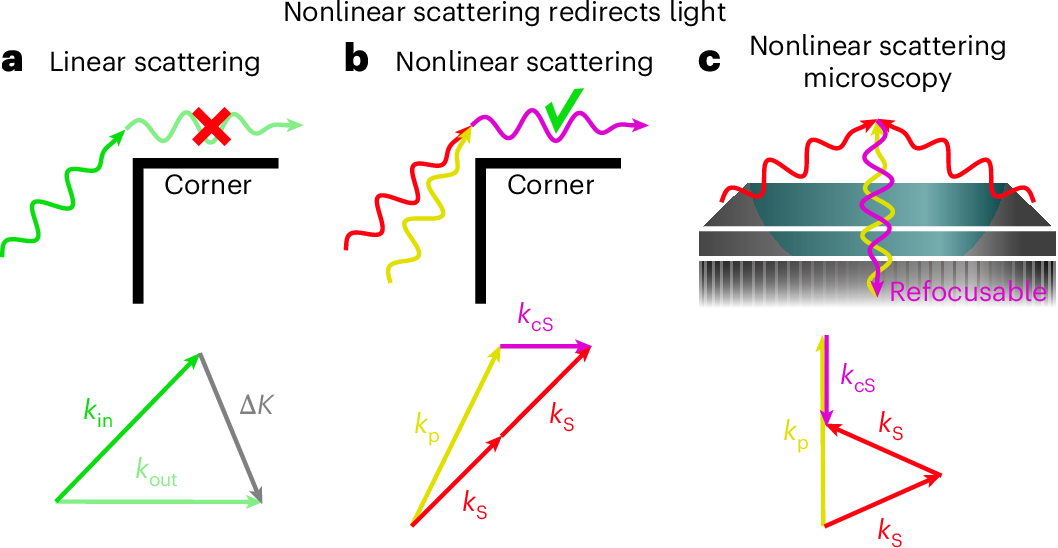
Figure 1, Acharyya et al., Nature Photonics 2026, CC BY 4.0, https://www.nature.com/articles/s41566-026-01995-z
Structural brain networks survive at 64 millitesla
networks "derived from paired high-field (HF, 3T/1.5T) and ULF (64mT) scans in a primary cohort(N=23) and an independent replication cohort (N=19)." … "Structural similarity networks can be reliably constructed from ULF MRI data." — Karoui et al., medRxiv, CC BY-NC 4.0
The primary cohort is open on OpenNeuro as ds006557.
Why it matters: a multivariate structural measure holds at the field strength of portable scanners, beyond the lesion reads already shown there, which the authors frame as "globally scalable connectomic research".
Clinical trials
Troponin at the bedside: the same pathway, forty-seven minutes shorter
"Six sites participated, with 59 980 ED presentations" — Than et al., Circulation
"the intervention reduced length of stay by 13% (95% CI, 9%-16%; P<0.001)" "corresponding to a reduction of 47 minutes (95% CI, 33-61 minutes)." — same
"The 30-day myocardial infarction or cardiac death rate was similar in the control and intervention arms" and "Implementation of whole-blood hs-cTnI testing at the point of care into an accelerated diagnostic pathway was safe" — same
A stepped-wedge cluster trial in six New Zealand emergency departments. The thresholds and the pathway stayed the same; the instrument moved.
Why it matters: a randomised test of taking a laboratory assay to the point of care, with time as the outcome and safety as the constraint.
A durable eye implant cut injections and still missed on vision
In LUCIA, "insert-treated eyes gained a least squares mean of 2.5 Early Treatment Diabetic Retinopathy Study (ETDRS) letters" against "6.1 letters in the aflibercept arm, a difference of −3.7 letters." … "The confidence interval extended beyond the prespecified −4.5-letter noninferiority margin" — Ophthalmology Times
The insert needed a mean of 3.3 injections after loading against 5.3 for the comparator, both phase 3 trials are now negative, "full 2-year data will not be collected", and the company will reduce its workforce by about half.
Why it matters: the regulatory question was letters read, and fewer visits did not answer it.
Sixteen fractions after mastectomy, same control, less skin damage
"Between September 2018 and July 2022, 1,494 patients were randomly assigned." … "Grade 3 acute skin toxicity was significantly lower with HypoRT (1.7% v 12.2%, P < .001)." … "the 16-fraction HypoRT regimen is noninferior to ConvRT for locoregional control" — Wang et al., Journal of Clinical Oncology
Why it matters: fewer sessions on the same machines for the same five-year control, in a trial from Shanghai of a size most radiotherapy questions never get.
Hospitals
Italy: the waiting-list reform exists on paper, and half of prescriptions never become a booking
(translated from Italian) "several instruments provided for by the reform have not yet reached full operation" … "a substantial absence of disciplinary action and accounting liability towards directors general" … "only 50.3% of prescriptions for first visits" become a booking. Original: "diversi strumenti previsti dalla riforma non hanno ancora raggiunto la piena operatività" … "una sostanziale assenza di azioni disciplinari e di responsabilità contabile nei confronti dei direttori generali" … "soltanto il 50,3% delle prescrizioni per prime visite" — Quotidiano Sanità, on the Court of Auditors
Why it matters: the Court of Auditors' third finding on Italian health in a week, and the first to count what happens between a prescription and an appointment.
Korea: half the departments in regional public hospitals run on one specialist
(translated from Korean) "As of the first half of this year, 26 of the 35 regional medical centres nationwide had suspended or reduced care in some departments." Original: "올해 상반기 기준 전국 지방의료원 35곳 중 26곳에서 일부 진료과 진료가 중단되거나 축소된 것으로 나타났다." — Korean Doctors' Weekly
(translated from Korean) "As of June this year, 246 of the 497 departments that had secured staff, or 49.5%, were operating with a single incumbent." Original: "올해 6월 기준 인력을 확보한 진료과 497개 중 246개인 49.5%가 현원 1명 체제였다." — same
Why it matters: these are the hospitals the top tier refers patients back to, and a department with one specialist closes when that person retires.
Medicine concept of the day
Ruling out a heart attack with troponin: a population statistic and a slope
Cardiac troponin leaks from dying heart muscle, and the universal definition keeps the number apart from the diagnosis: "Detection of an elevated cTn value above the 99th percentile URL is defined as myocardial injury." "The injury is considered acute if there is a rise and/or fall of cTn values." "To establish a diagnosis of MI, criteria in addition to abnormal biomarkers are required." The threshold is a population statistic, and "there is still no expert opinion or consensus about specific criteria for how the 99th percentile URL should be defined." Serial draws exist because "the downslope of the time–concentration curve is much slower than the upslope." (Thygesen et al., Fourth Universal Definition)
At the bedside it is two draws and three bins. "early absolute changes in the levels within 1 h or 2 h can be used as surrogates" for changes over three or six hours; the rule-out pathway's negative predictive value "has exceeded 99% in several large validation cohorts", the rule-in pathway's positive predictive value "has been ∼70–75%", and "Assignment to the rule-out pathway does not always equal outpatient management." (ESC 2023 guideline) Each step of the evidence chain changed one thing and kept the thresholds, down to a single-sample rule-out in seven Scottish hospitals where "Length of stay was reduced from 10.1±4.1 to 6.8±3.9 hours." (HiSTORIC); today's trial moved the instrument.
Where it fails: "Elevated cardiac troponin in unselected patients predominantly reflects myocardial injury rather than myocardial infarction." (Lee et al., Am J Med), and those patients do worse, "myocardial injury (72.4%) compared with type 1 myocardial infarction (36.7%)" dead at five years (Chapman et al.). A more sensitive assay "was not associated with a lower subsequent incidence of myocardial infarction or cardiovascular death at 1 year", so "Our findings question whether the diagnostic threshold for myocardial infarction should be based on the 99th centile" (High-STEACS). And the rule-out rests on a few nanograms per litre, where "the precision of the assays may not permit small differences to be distinguished." (Thygesen), which is the question a bedside device has to answer.
Why it matters: the best-evidenced rule-out in emergency medicine is a statistical cut-off plus a slope. Better measurement has moved discharges and diagnoses, and not yet infarcts or deaths.
Worth knowing
A one-hour, sixteen-pathogen blood panel for the Ebola response
The panel can "simultaneously test for 16 pathogens from a single whole blood sample in approximately one hour", "including multiple Ebola viruses, malaria parasites, Marburg virus, West Nile virus and Lassa virus"; "the panel includes detection of Bundibugyo ebolavirus". — bioMérieux
WHO's emergency-use listing gives procurers "an additional accelerated pathway for health authorities". Price, instrument and how far from a laboratory it runs are not in the release.
Why it matters: a fever taken for malaria is the delay that kills in the current outbreak, and this is the first listed test that separates the causes in one run.
Health systems and policy
Africa's workforce crisis is now a hiring crisis, by the regional office's own count
"The Region currently has only 46% of the health workforce it needs." and there are "an estimated 943 000 potentially unemployed health workers in 2024" — WHO African Region, State of the health workforce in Africa 2026
"This situation reflects an inadequate alignment between educational output" and fiscal space, and "The issue is likely linked to low recruitment and absorption of nurses" — same
Unemployment is highest among paramedical practitioners and "medical imaging personnel (40.86%)", with midwives, doctors, laboratory technicians and nurses following. The same report finds that "health workers accurately diagnose only approximately 62% of clinical cases", and prices the remedy as an extra "US$ 4 per capita per year in health workforce employment".
Why it matters: the cadres a task-shifting plan for imaging or laboratory work would recruit are the ones already trained and idle, and the constraint the report names is payroll.
Ten years and nearly half a billion pounds of resistance surveillance, with per-site costs
"the Fleming Fund investment across 2 phases and 10 years totaled nearly £500 m" — Gupta-Wright et al., Clinical Infectious Diseases, CC BY
"average annual set-up costs per site were £112K in Zambia", recurrent costs "averaged £90K annually per site in Zambia", and "The cost of maintaining a standard national AMR surveillance system is estimated to exceed 1%–5% of the total domestic government health expenditure in many LMICs." — same
"Without integration into national financing and universal health coverage packages, diagnostic and surveillance gains are unlikely to be sustained." — same
Why it matters: a funder's own account of what a laboratory network costs to keep alive after the grant, and of what breaks first, which in their account is staff turnover and clinicians who do not read the microbiology.

Figure 2, Gupta-Wright et al., Clinical Infectious Diseases 2026, CC BY, https://academic.oup.com/cid/article/83/Supplement_1/S13/8943555
An antibody alone for a genetically defined rectal cancer
Jemperli is approved "as the first and only immunotherapy for adults with stage II and III" mismatch-repair-deficient locally advanced rectal cancer; "Current standard of treatment for locally advanced rectal cancer includes chemotherapy, radiation and surgery" and the drug "could help avoid these interventions." — GSK
"No disease recurrences have been reported among responders to date" … "The long-term risk of relapse is unknown" … "Continued approval for this indication may be contingent upon verification" in a confirmatory trial. — same
The single-arm trial's sustained complete response at one year was 68% by investigators and 47% by independent review.
Why it matters: the indication is defined by a tumour measurement, and the approval endpoint is a sustained response, with survival still to be shown.
Big in machine learning
An agent solved forty-nine of fifty unpublished physics problems, and corrected the answer key
"We present a suite of 50 unpublished research-level theoretical physics problems with verifiable answers." … "the best-performing agent, GPT-6-Astra harnessed in Codex, obtains the final answers with a near-perfect accuracy of 98%" … "at an average cost under USD 3 per problem" — Ramesh Chandra et al., arXiv, CC BY-SA 4.0
"It is noteworthy that we initially assessed that Astra had made errors in several additional problems." … "In all these cases, after the experts corrected their solutions, Astra's solution was found to be correct." — same
The authors bound their own result: the problems are "turn-the-crank" research problems, the agents show "significant memorization of the literature", and "current agents are not adept at dynamically switching direction". Jack Clark used the paper at the IMF to say "They call this the singularity. I believe that this year we have gained convincing evidence that it has now begun." (Import AI).
Why it matters: the first research-level benchmark where the model's disagreements fixed the experts' key, which is the kind of exam result that makes everyone in the room check their own working.
Patents
A European patent board revoked a diabetes drug's cardiovascular-outcome patent because the filing had biomarker data only: "[n]othing can be inferred from the examples themselves about how these biomarkers are linked" to the claimed outcome, and using the later outcome trial "would go beyond corroborating an established finding" (IPKat on T 0251/25).
Startups and deals
A liver-targeted siRNA platform changes hands at a 130% premium. Silence Therapeutics, "developing precision engineered medicines using its proprietary siRNA technology", agreed to be bought by Merck KGaA at "an enterprise value of $1.1 billion and an equity value of approximately $1.3 billion"; "By silencing TMPRSS6 in PV patients, Divesiran aims to increase hepcidin production" (SEC filing). The same week China's draft export rules keep siRNA platforms at home while "restrictions don't apply to licensing, partnerships and contract research services" (The Edge Malaysia, from Bloomberg).
A membership company that bought the hospital. Even Healthcare in Bengaluru "has raised $50 million in a funding round led by Khosla Ventures"; "Hospitals in India typically earn more when patients undergo additional tests", and Even moved in after finding patients had undergone "tests or been recommended surgeries it considered unnecessary" (TechCrunch).
Repos and tools
A small, permissive forecaster for instrument streams. Mistral: "Today, we're releasing Timestral, our first family of time-series foundation models." The largest, "at just 209M parameters, ranks first on all three of the field's main public benchmarks", under a Modified MIT licence, and "Timestral delivers probabilistic, multivariate forecasts and supports past-only and known-future covariates." (Mistral).
AI: using it well
The scaffold is now part of the thing being scored. From a Princeton-led survey of trends in agent evaluation: "An agent's score depends on its scaffold and environment as well as its model." … "If the model and the scaffold both change, you cannot tell which one caused a difference." (Chen, Rabanser et al.); the authors' summary adds "The evaluator must scrutinize the entire trajectory, not just the final outcome." (AI as Normal Technology).
Other frontiers
Gigapixel video from a chip with no lens. "a single lensless chip records gigapixel video at a throughput of 20.8 billion pixels per second." "The key is to let the correlations in a moving scene supply the information that a single frame can't." "The device resolves 308-nm linewidths across centimeter-scale fields at 30 frames per second," with "no lens in the light path." Demonstrations include label-free cells, because "label-free quantitative phase imaging avoids the phototoxicity of fluorescence", and antibiotic susceptibility (Zhao and Zheng, Laser Focus World; paper in Nature Communications).
Corners of the web
A US veterans' hospital inspection found test-result notification at "63 percent, 53 percent, and 55 percent" across three quarters against a national "81 percent, 81 percent, and 82 percent", and a small outlet gives the cause: "Radiologists left rather than come back to a desk, and some who were later granted an exemption declined to return anyway." (Bureaucracy Times; inspection report 25-00256-276). On the fediverse a senior radiology resident calls the machine reading of whole studies "plainly nonexistent" (Levka, kolektiva.social).
People and good examples
Nepal: leftover doses, moved by truck, helicopter, drone and rope. After the August floods destroyed health posts in Rasuwa and Nuwakot, the immunisation section used what it had: "we had 100,000 vaccine doses remaining from a previous campaign conducted in Bara and Parsa", and for the last stretch they were "delivered to the relevant local authorities using drones". By the end of September "a total of 70,176 people were vaccinated". The weak points are named by the people who ran it: "power outages raised major concerns about how to safely collect and store vaccines" and "Cold boxes were required, and we experienced a shortage of them for a period of time." The district focal point: "Fortunately, no cholera cases were identified in the flood-affected areas," (Gavi VaccinesWork). Surveillance ran by phone where the power was out, and the outcome claim rests on it.
Reads and ideas
The Theranos machine that touched patients, described by the person who ran it. Tyler Shultz on the new film: "What it certainly is not is a documentary, and it's dangerous to pretend that it is." The device in use "could only run one blood test at a time"; it was "an eight-channel pipette inside a black box", "It was unimpressive and rudimentary." The one shown on camera was "never completed and never used" and "was not the reason she went to prison." His method for the truth: "Broadening the scope just a little bit would have revealed" it (STAT First Opinion). A screening venture that published which instrument, which chemistry and which analytes ran on patient samples would need no whistleblower.
Book of the day
Governing the Commons, Elinor Ostrom (1990). The book answers Garrett Hardin's pasture of 1968, "Picture a pasture open to all." and "Freedom in a commons brings ruin to all." (Hardin, Science 1968), with cases that lasted centuries. Her Nobel lecture turns the tragedy into a question: whether users can change their own rules "is an empirical condition that varies from situation to situation rather than a logical universality." The long survivors shared design principles, among them "clear and locally understood boundaries between legitimate users and nonusers are present" and "the distribution of costs is proportional to the distribution of benefits", with monitors who answer to the users and sanctions that start low (Nobel lecture, 2009).
In her last year she repeated the rule she cared about most: "Challenge one, as I mentioned, is the panacea problem." "People want to make me argue that community systems of governance are always the best: I will not walk into that trap." On what the larger unit is for: "Larger jurisdictions can provide technical assistance, which is effective if they view the local users as partners." (IEA lecture, 2012).
Read beside today's surveillance network, whose authors say gains will not last without national financing, the principles are a scoring sheet for any shared resource that nobody owns, a reference map as much as a pool of expert hours. The standing critique is that the list is long and says little about power; a review of ninety-one cases found "that the principles are well supported empirically" all the same (Cox, Arnold and Villamayor Tomás, Ecology and Society 2010).