2026-11-10
A clot drug that leaves bleeding alone, and an eye warning for the GLP-1 era
The US Food and Drug Administration approved the first factor XIa inhibitor, asundexian, to prevent a second stroke, on a trial in which major bleeding barely moved. On the same day it required GLP-1 drugs to carry a warning for a sudden, untreatable optic-nerve infarction. Around that class, three trials pushed in new directions: resistance training that keeps muscle on tirzepatide, retatrutide easing knee osteoarthritis pain, and an oral GLP-1 pill reducing sleep apnoea. A Cell paper orders samples along development and disease without being told the order, and a Nature Medicine taxonomy sorts ulcerative colitis patients by the shape of their response. And a team of a thousand AI agents formalised Fermat's Last Theorem in Lean in about thirty hours.
Connecting the dots
The GLP-1 class is turning into a platform with its own side-effect ledger. In one day it collected a new disease endpoint (knee pain), a new indication in pill form (sleep apnoea), a lifestyle add-on that changes body composition (resistance training), and a regulatory warning for an eye condition with no treatment. The medicine concept below follows that warning to the bedside, where the first job is to rule out a treatable look-alike.
Two papers today change what counts as one observation. The sample-level embedding method treats each person's whole single-cell profile as a point and recovers the order of zebrafish development from it. The colitis taxonomy treats each patient's weekly symptom curve as the object and finds four response shapes that predict surgery years later. The titles of the day carry the same move at other scales ("Synchronized Optimal Transport Reconstructs Coupled Transcriptomic and Chromatin Dynamics"; "BioMeme: biological response memory for virtual cells").
A book from 2006 sheds light on a dataset from today. Gary Pisano argues that biotech partnerships last about four years while drugs take twelve, and that the industry splits up knowledge that needs to stay integrated. The phage therapy funding analysis shows a field running on about thirteen million dollars a year, a fifth of it from one US institute. Speculation: a funding base that narrow is exactly the short, thin commitment Pisano describes, applied to a therapy that has to be matched patient by patient.
Three items say precisely what they certify. The Lean kernel accepted the Fermat formalisation and the Aaronson–Ambainis proof. A proposed certificate for published analyses binds the files and outputs but leaves the printed numbers to the copyeditor. And a chemistry benchmark turns out to certify that a model remembers the benchmark.
New concepts
A certificate that a paper's analysis actually ran
"Of more than nine thousand R scripts deposited in Dataverse, 74% did not run to completion without error" — King et al., arXiv
The proposal is a certificate at publication, built from hashes, archive signatures, timestamps and a ledger entry, giving "evidence that the analysis ran on exactly its files and produced exactly the results it records". The authors state its limits themselves: it "binds output files and logged estimates, not the printed numbers which is left to the author and journal copyeditor", and "the cryptography guarantees that the record is intact and dated, not that it stays available" (arXiv).
Why it matters: anyone could check that a published computational result came from the deposited files, in about a minute and without re-running it.
Chemistry agents that remember the benchmark
"PMO uses ML-based or formula-matching oracles whose names leak the answer." … "a gpt-4o-mini agent's sum AUC falls from 14.44 to 4.85 after task names and curated reference compounds are hidden, while a deterministic retrieval-only baseline with no LLM reaches 12.16 (84% of the full agent)." — Qin et al., arXiv
The remedy is cheap: "These results motivate two inexpensive sanity checks: retrieval-safe PMO prompts and a random-walk floor for docking-based optimization" (arXiv).
Why it matters: anyone publishing language-model agents for molecular design now has two controls to run before claiming the agent searched rather than recalled.
Basic biology
How a cyanobacterium makes its last chlorophyll step
"we used cryogenic electron microscopy to determine the structure of a ChlG2HliD2 complex" … "Our structures also reveal how a central HliD homodimer binds two ChlG monomers" — Shvarev et al., Nature Chemical Biology
Chlorophyll synthase sits on a small light-harvesting-like protein that carries pigments of its own, and the authors say the structures "shed light on the evolution of eukaryotic LHC antennae" (same).
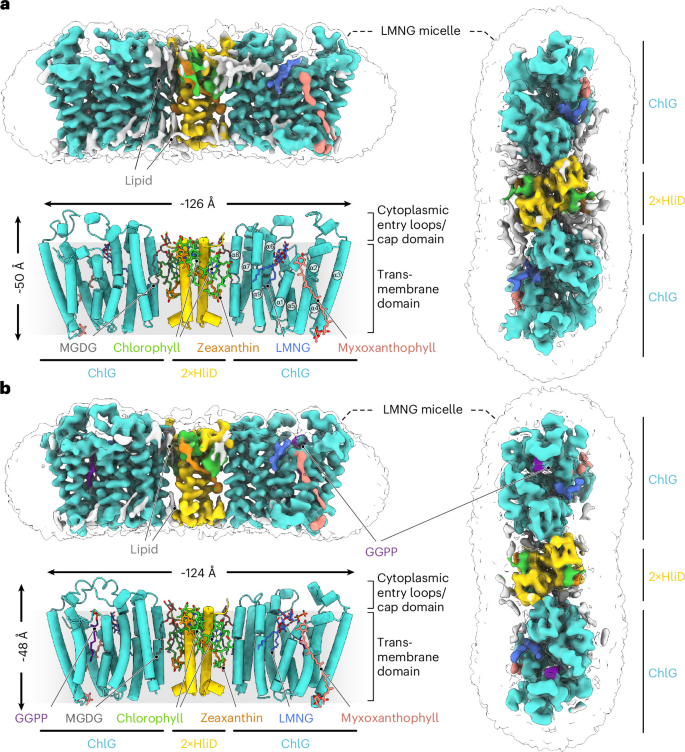 Figure 1, Shvarev et al., Nature Chemical Biology 2026, CC BY 4.0, link
Why it matters: it gives a structural account of how the enzyme finishing chlorophyll is coupled to the protein family that later became plant antennae.
Atlases and datasets
Genetic regulation across fifty-one sheep tissues
"analyzing 6,761 RNA sequencing samples from 51 primary tissues in a multibreed sheep cohort" … "revealing extensive regulatory allelic heterogeneity" — Nature Genetics
This is the sheep pilot of the farm-animal version of the human GTEx project, with a public portal, raw reads and code.
Why it matters: livestock geneticists get a tissue-by-tissue map linking variants to gene regulation, built the way human regulatory atlases are.
Two thirds of Bangladesh's under-fives above the lead reference value
"analyzed 10,324 children aged 12–59 months from the Bangladesh Multiple Indicator Cluster Survey 2025" … "66.3% of children had concentrations above the Centers for Disease Control and Prevention (CDC) threshold (≥3.5 µg/dL)" — medRxiv
Higher lead was associated with lower height for age, most strongly in boys aged two to three.
Why it matters: a nationally representative count gives the size of the problem that any lead-reduction programme in the country would be planned against. It connects with the fact that cheap handheld screening has already brought down workers' blood lead elsewhere.
Phage therapy: twenty-five years of funding, from very few sources
"We analysed the 802 grants with a recorded funding amount that started in 1999-2023 (USD 318.6 million)." … "US funders provided 47.7% of funding and one institute, NIAID, 21.0%, rising to 23.3% in 2016-2023." — medRxiv
"Low- and lower-middle-income countries received 0.33% of recorded funding" … "only 7 grants linked Global North and Global South recipients" — same
Why it matters: a therapy for resistant infection is funded almost entirely where the resistance burden is lower, which connects with the fact that the field still lacks shared reference strains to test phages against.
Methods
Ordering samples along development and disease without being told the order
"Here we present scSLIDE, a framework that transforms each sample's single-cell data into a compact profile" — bioRxiv preprint of the Cell paper
The test is the withheld order. Given "discrete timepoint labels but no information about their chronological order", across 1,025 zebrafish embryos, "The inferred developmental trajectory increases with HPF, accurately recapitulating the true temporal order" (HPF is hours post-fertilisation). In ageing human brains the same approach yields an unsupervised disease trajectory. The motivation: "the simple binarization of phenotypes into discrete 'case' and 'control' groups is inadequate" (bioRxiv).
Why it matters: cohort studies with single-cell data can place each donor on a continuum, with the sample as the unit, and code is open.
Ulcerative colitis sorted by the shape of each patient's response
From weekly patient-reported symptoms in a head-to-head trial, the authors found "four distinct vedolizumab groups (V1–V4) characterized by different response dynamics" (Schreiber et al., Nature Medicine). In a second trial the better-responding groups had fewer long-term complications. Non-response tracked with vascular inflammation driven by SPP1-positive macrophages. In insurance claims, adding a common blood-pressure drug (an ACE inhibitor or angiotensin receptor blocker) to vedolizumab was associated with less colectomy: "adjusted HR = 0.31; 95% CI = 0.11–0.87". The authors say it "requires prospective validation for clinical utility" (same).
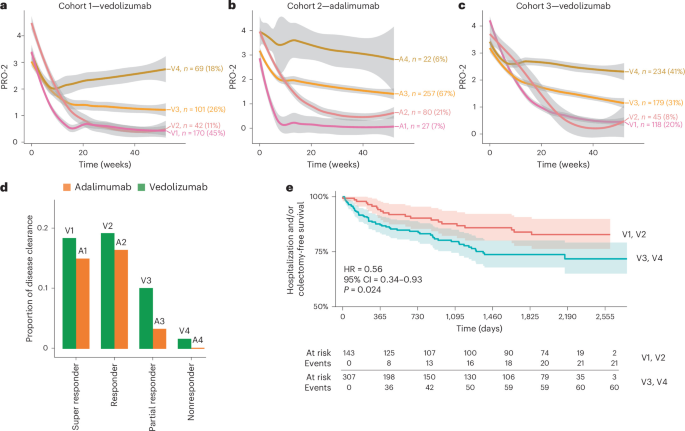 Figure 2, Schreiber et al., Nature Medicine 2026, CC BY 4.0, link
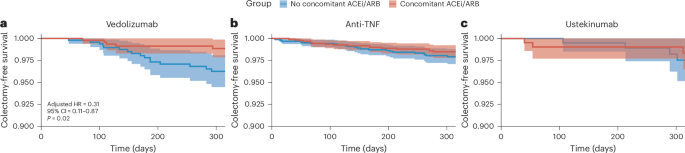 Figure 6, Schreiber et al., Nature Medicine 2026, CC BY 4.0, link
Why it matters: in a disease where "most patients do not reach sustained symptomatic and endoscopic remission after 1 year", a response class built from what patients report gives trialists a new way to stratify, plus a cheap drug combination to test.
Clinical trials
Factor XIa inhibition approved for secondary stroke prevention
"The Food and Drug Administration on Monday approved Bayer's drug to reduce recurrence of stroke" … "8.4% of participants who took placebo experienced a secondary stroke, while 6.2% of patients who took Sunharbo experienced one" — STAT
"major bleeding, the primary safety outcome, occurred in 1.9% of patients treated with asundexian and 1.7% of those receiving placebo." — NeurologyLive
Why it matters: every anticoagulant so far has traded clots against bleeding. This is the first approved drug of a class meant to reduce that trade-off, for patients after a stroke.
Resistance training keeps muscle on tirzepatide
"Weight loss achieved was similar (T = −22.61 kg, T+REx = −22.28 kg, P = 0.694)" … "resistance exercise reduced loss of total lean soft tissue mass" — Nature Medicine
Strength fell on the drug alone and rose with training. The authors' caveat: "The feasibility of the resistance training intervention needs to be established in routine clinical practice." (same)
Why it matters: it gives clinicians a randomised answer to the muscle-loss worry about these drugs, at the cost of supervised training three times a week.
Retatrutide eases knee osteoarthritis pain
In two NEJM trials, pain on the standard osteoarthritis questionnaire (WOMAC) fell more than with placebo, "difference vs. placebo, -1.83 [95% confidence interval {CI}, -2.37 to -1.30]" in one, with "mean percent changes in body weight with retatrutide were -20.0% (9 mg) and -23.7% (12 mg), versus -4.6% with placebo" (NEJM, via PubMed). Separately, the oral GLP-1 drug orforglipron reduced sleep-apnoea events in two phase 3 trials, "difference, −13.2 [95% CI, −17.7 to −8.7]" events per hour (JAMA).
Why it matters: the class is now tested on symptoms of other diseases, and in pill form.
AI-drafted echo reports, randomised
Across 21 Kaiser Permanente centres, "Cardiologists made substantial changes to 50.6% of the AI-generated preliminary interpretations", against 49.7% for drafts by sonographers and cardiologists, with "a time savings of about 46%". The study "did not test whether using AI to help interpret echocardiograms improves patients' long-term health." (American Heart Association)
Why it matters: it is a randomised test of AI writing a whole imaging report, and it measures the specialist's time.
Telling older women about overdiagnosis
In a Yale trial of 307 women aged 70 and over, short videos explaining overdiagnosis raised correct understanding to about nine in ten, against about half in controls, and lowered intention to have a mammogram only slightly (ClinicalTrials.gov).
Why it matters: it measures what happens when people are told about the harm side of screening: knowledge moves a lot, intention a little.
Review layers on prescribing changed little
An Australian stewardship bundle to deprescribe sedative and anticholinergic drugs in older inpatients "increased deprescribing less than hypothesized, and the increase was not sustained once the stewardship component ended" (JAMA Internal Medicine, via PubMed). A US Veterans Affairs audit-and-feedback programme on antibiotics at discharge gave an odds ratio of 0.94 (95% CI 0.84 to 1.05) (ClinicalTrials.gov).
Why it matters: hospitals adding a reviewer on top of prescribing got a small, short-lived change in one trial and none in the other.
Hospitals
Patient records pasted into consumer chatbots
A staff member "used their personal ChatGPT account to draft summaries for client case notes" … "40% of hospital workers said they were aware of colleagues using unauthorized AI tools" — HIPAA Journal
In a separate settlement, a transcription vendor's account "did not have multifactor authentication enabled", and "The intrusion was only detected when the hackers made contact two months after the initial compromise", for about 13.3 million people (HIPAA Journal).
Why it matters: hospitals are dealing with AI tools their staff adopt on their own, and the vendor breach shows how long a basic gap can go unseen.
Distance to a tertiary hospital, measured in deaths
(translated from Korean) "In-hospital mortality was 29.6% in areas with an estimated travel time to a tertiary hospital under 10 minutes, but 38.8% in areas over an hour, 9.2 percentage points higher." — Korean Doctors' Weekly (original: "상급종합병원까지 예상 이동시간이 10분 미만인 지역의 원내 사망률은 29.6%였지만, 1시간이 넘는 지역은 38.8%로 9.2%p 높았다.")
The patients had cardiogenic shock; the study is from a Samsung Medical Center team.
Why it matters: it puts a number on what centralised care costs the patients who live far from it.
Italy's health budget, as audited
(translated from Italian) "only 138 million, equal to 5.8%, are not tied to specific spending purposes" … "The bill under examination introduces no new provisions on staff hiring" — Quotidiano Sanità (originals: "soltanto 138 milioni, pari al 5,8%, non sono associati a specifiche finalità di spesa" … "Il disegno di legge in esame non introduce nuove disposizioni in materia di assunzioni di personale")
The Court of Auditors also found waiting-list funds down by about 29%.
Why it matters: Italian regions get very little of the €2.4 billion increase to spend at their discretion.
Also reported: one in eight US hospitals is now backed by private equity, "Of the 4,714 facilities included in the tracker, 561 are backed by PE" (Healthcare Dive); and Switzerland's 1.2% fall in insurance costs reflects hospitals billing late under the new outpatient tariff: (translated from German) "The decline does not mean, however, that medical care has actually become cheaper." (Medinside; original: „Der Rückgang bedeutet allerdings nicht, dass die medizinische Versorgung tatsächlich günstiger geworden ist.")
Medicine concept of the day
Sudden painless vision loss: rule out giant cell arteritis before calling it NAION
NAION (non-arteritic anterior ischaemic optic neuropathy) is an infarction of the optic nerve head. Its twin, the arteritic form, is caused by giant cell arteritis, an inflammation of medium and large arteries. Both present the same way, and only one can be treated. The first question is therefore which one it is:
"Most important is to exclude the arteritic variety because the other eye is at risk" … "Only 3% of biopsy proven GCA have normal values for both C-reactive protein and ESR." — Merck Manual Professional
Two cheap blood tests, the erythrocyte sedimentation rate (ESR) and C-reactive protein, almost rule it out. When suspicion stays high, steroids come first: "Treatment should not be delayed while awaiting the biopsy procedure or its results", because the biopsy remains informative for weeks. Treatment saves the other eye: "Prompt treatment does not restore lost vision in the affected eye but protects the unaffected eye" (Merck).
Once it is NAION, "There is no established treatment of the nonarteritic variety" (same). The one surgical attempt was tested in a randomised trial in 1995, which concluded: "Optic nerve decompression surgery for nonarteritic anterior ischemic optic neuropathy (NAION) is not effective and may be harmful." (JAMA, via PubMed)
On the GLP-1 link, the US regulator has now said "GLP-1 drugs carry a potential risk" and "required pharma companies to inform patients and doctors of the risk" (STAT). Europe's regulator had sized it for semaglutide in type 2 diabetes as "an approximately two-fold increase in the risk of developing NAION", which "corresponds to approximately one additional case of NAION per 10,000 person-years of treatment" (EMA).
Why it matters: more GLP-1 users with sudden vision loss will reach clinicians, and for each the order is the same: exclude the arteritis, then stop the drug if it is NAION.
Worth knowing
An AI-read ECG decides who gets the echo first
In Brazil's public system, an AI reading of tele-ECGs flagged structural heart disease with "87.3% sensitivity", and "AI-guided prioritization reduced estimated time to diagnosis of 50% of SHD cases from 407 to 172 days under fixed TTE capacity" (Am J Cardiol, via PubMed). TTE is transthoracic echocardiography.
Why it matters: with the same number of scans, a cheap first test moved the people who need them to the front of a year-long queue.
An Italian screening pilot hit its target and strained the paediatricians
A combined screen for pre-symptomatic type 1 diabetes and coeliac disease, from one capillary draw in children aged two, six and ten in four regions: "A total of 5535 children were enrolled against a planned 5363 (94% of the in-age target) within 12 months." Paediatricians rated it "'very useful' medically (80.3%)", but those who declined cited "overlap with other professional activities (37.2%) and lack of time (25.5%)" (European Journal of Public Health).
Why it matters: a national screening law has produced a running programme, and the first bottleneck it reports is the clinician's day.
A gait model reads many body systems from a depth camera
In 3,328 adults filmed with a depth camera during five motor tasks, "Embeddings significantly predicted 1,887 of 3,210 phenotypic targets", with gains "across all 18 body systems in men and 17 out of 18 in women" over age, body mass and fat (Nature Medicine). Validation was internal, within one cohort.
Why it matters: a few minutes of walking, in a standard lab protocol, carries information about many organ systems at once.
Health systems and policy
WHO writes a specification for wearables as surveillance instruments
"The TPP defines the minimum and additional device specifications for a fit-for-purpose device" … "WHO particularly encourages responses from low- and middle-income countries." … "The consultation closes on 6 December 2026 at 12 noon UCT." — WHO
A target product profile (TPP) is the list of requirements a product must meet; this one covers devices measuring physical activity and sitting time for national monitoring.
Why it matters: device makers and national statistics offices get a common standard for using consumer sensors in population health data.
Which essential health products fail in the heat
(translated from French) The consortium "will seek to identify essential health products currently vulnerable to heat and humidity", to inform "regulatory practices governing how products are tested, approved and purchased" and "the quality of medicines and diagnostics at the last mile". — allAfrica (originals: « cherchera à identifier les produits de santé essentiels actuellement vulnérables à la chaleur et à l'humidité » … « pratiques réglementaires encadrant la manière dont sont testés, approuvés et achetés les produits » … « la qualité des médicaments et des diagnostics au dernier kilomètre »)
The Unitaid-funded project measures conditions in India, Kenya, Nigeria and Senegal, for products used against HIV, tuberculosis and malaria and for maternal and child health.
Why it matters: stability rules written for standard climate zones could be checked against the heat and humidity where products are actually used, including diagnostics.
Senegal starts diabetes check-ups with civil servants
(translated from French) "nearly four patients in five do not know their status"; the main measure is "the targeted annual check-up (BIC), which will first be rolled out to civil servants" — allAfrica (originals: « près de quatre malades sur cinq ignorent leur statut » … « le bilan annuel ciblé (Bic), qui sera d'abord déployé auprès des fonctionnaires »)
The ministry plans to extend it through health insurance from 2027.
Why it matters: the rollout order decides who gets diagnosed first, and it starts with salaried workers.
Big in machine learning
A thousand agents formalise Fermat's Last Theorem
"a team of 1,000 Fable 5.2 agents fully formalized the theorem in just 30 hours, with minimal human intervention." — Anthropic
"The only structure we gave the team was a hierarchy, consisting of one lead and 999 helpers", and "A classifier checked every shell command and file edit before it ran". The team started from "47 proved lemmas from our earlier formalization" (claude.dev). The announcement also concedes: "The problem of building evaluations that reliably catch every failure before a model is deployed remains unsolved." (Anthropic)
Separately, a research company reports that "The Aaronson-Ambainis conjecture is now a theorem", an open problem in quantum computing theory since 2008: "Along the way, the system improved the result twice, and Lean accepted the final version." (PSI)
Why it matters: in both cases a proof checker, independent of the model, verifies the output, so the results can be trusted without trusting the agents.
Startups and deals
Vale Biolabs, a Swiss pre-seed company, "combines lab-grown human brain tissue, automation and predictive AI", and received Venture Kick money for its automated organoid platform (tech.eu). In Korea, MBD goes to the stock market after moving from selling automated 3D-culture instruments to selling tests: (translated from Korean) it "automated 3D cell culture that used to rely on manual work and broadened its business from equipment sales to anticancer-drug sensitivity testing and drug-candidate evaluation" (Hit News; original: "수작업에 의존하던 3차원 세포배양을 자동화해 장비 판매부터 항암제 감수성 검사, 신약 후보물질 평가까지 사업 영역을 넓힌").
Argenx is buying the machine-learning macrocyclic-peptide company Unnatural Products: "The acquisition carries a $550 million upfront cash payment." (BioPharma Dive)
Why it matters: automated culture is being sold as a service as well as a machine, and AI-plus-screening peptide platforms are now bought outright for cash.
Repos and tools
"TokenEconomizer makes coding agents cheaper to run in the repositories you work in often, without changing the agent itself." — Microsoft Research, GitHub
It learns from earlier sessions in the same repository; the authors report lower cost on all their test combinations. A small skill for reviewing single-cell foundation-model papers against a fixed, versioned rubric is explicit about its scope: "It measures what a paper reported, not whether its results are right." (GitHub). And Meta FAIR released e-means, a k-means replacement claiming that it "reaches a test loss below Lloyd's at 25 epochs, in 1.2 to 3 epochs" (e-means); k-means sits under most clustering of cell embeddings.
Why it matters: these are small, usable pieces for running agents cheaply and auditing a literature that grows faster than anyone reads.
AI: using it well
Ethan Mollick, testing the new model on original research, got a paper he judged close to a real contribution, 182 pages long and unchecked: "AI can now produce research faster than anyone can read it, creating a crisis in a lot of academia." (One Useful Thing). A reader of a new benchmark of AI literature reviews names the subtler failure: "The tools repeatedly confused mentioning a concept with making a substantial contribution to its study." and "Some outputs altered quoted wording or supplied incorrect page numbers." (Med Kharbach). Simon Willison's habit for agent-written pull requests is one answer at the small scale: a short human opener, with the agent's full text folded underneath, because "I want human editorial judgement." (Simon Willison)
Why it matters: checking that a citation exists is no longer enough; the reader has to check what it is cited for.
Other frontiers
Berkeley and NVIDIA describe "agentic robotics": coding agents write robot programs, test them in simulation and tune the simulator against real video, reaching "success rates of up to 99 percent, matching human hand-engineered performance". The caveat is in the same article: "Of course, code that works in simulation can only ever be as versatile and reliable as the simulation is." (IEEE Spectrum). Columbia's strobe-light scattering microscope "can now resolve individual quantum energy carriers as they move through materials for the first time" (Phys.org). And at Tohoku, agents built machine-learned atomic potentials while "researchers decided which models to accept, where to use them and how to interpret the results" (Phys.org).
Why it matters: robots can be programmed without collecting demonstrations, and label-free optics can now follow single charge carriers.
Big tech
Meta released Muse Ember, a cheap model for "the work agents repeat all day: tool calls, coding subtasks, routing, extraction, and long document parsing" (TechCrunch), meant to work under a larger planning model.
Corners of the web
On the open lab-automation forum, a contributor proposed simulators that emulate laboratory balances' serial protocols. The maintainer's reply: "I recommend testing on hardware though before adding tests so we make sure they actually match reality", calling the existing simulator pattern "slop" (PyLabRobot forum). A fair rule for anyone whose robot, unlike the simulator, can actually knock the plate over.
People and good examples
Argentina measures a new vaccine in its first season
"The vaccine reduced RSV-ALRTI hospitalizations in infants under 6 months by 33·6% (95% CI 29·5–37·2) in 2024 compared to expected cases from previous years." … "The RSVpreF MI coverage in the Metropolitan Area of Buenos Aires (MABA) was 55·3% and overall in Argentina 62%." — Razzini et al., Lancet Regional Health – Americas, via Europe PMC
Three public paediatric hospitals tracked admissions for lower respiratory infection from respiratory syncytial virus (RSV) after maternal immunisation began, and estimated vaccine effectiveness alongside.
Why it matters: a public hospital network in a middle-income country measured a new vaccine's effect in its first year, with only about half of mothers covered.
Paul-Henri Rebut (1935–2026)
"On 9 November 1991, JET became the first magnetic confinement device to produce significant fusion power from a mixture of deuterium and tritium." — ITER Organization
He led the design team of the Joint European Torus, directed it, and then laid ITER's engineering and physics foundations. His own view of the machine: "JET in itself was of no use if it didn't open the path for a new machine." (same)
Reads and ideas
An obituary for Cyc
"After 40 years, 30 million rules, 200 million dollars, 2000 person-years, and many promises, Cyc has failed to reach intellectual maturity, and may never will." — Yuxi Liu
Liu, openly hostile to the project, puts the failure in use rather than logic: "Publications involving Cyc typically described methods for entering information into the system, rarely addressing applications out of it." "Academics found the system difficult to use, and it never performed on public benchmarks." (same)
An ImageNet for brain cell types
"electrical recordings can tell us what neurons are saying, but they do not reveal who is speaking." … "We estimate this will cost around $20 million over five years." — Josh Siegle, Institute for Progress
Siegle proposes an open set of neural recordings labelled by cell type, with a public classifier.
Why they matter together: one is a knowledge base built for forty years without an open test; the other is a costed proposal whose output is a test anyone can run.
Book of the day
Science Business — Gary P. Pisano (Harvard Business School Press, 2006)
Pisano's diagnosis is "an industry anatomy that is inconsistent with the requirements of the science". Licensing treats knowledge as tradeable, "But in biotech, knowledge is not easily tradable." (strategy+business). The alliances meant to rebuild integration are short: "The average length of a partnership is four years." (The Scientist). His remedy: "After 30 years of mitigating risk, we need business models that focus more on integration" (strategy+business).
The strongest objection, from a 2007 rebuttal: "The fact that only a few companies dominate an industry, though, does not invalidate the industry's business model." (GEN)
Why it matters: it gives a test to apply to any spinoff or funder, namely who keeps the learning when the contract ends. The data stop in the mid-2000s, so the long interview does the job in under an hour.