2026-10-13
The ancestors of CRISPR and of telomerase both turn out to be weapons from the phage wars
Two papers today trace the two most useful DNA machines in biology back to the same conflict, bacteria against their viruses. One is a bacterial reverse transcriptase that adds repeats the way telomerase does. The other, proposed as the ancestor of CRISPR, is a phage protein that reads double-stranded DNA with a code skipping every third base. Both carry the same three-part design: an enzyme, a noncoding RNA built of tandem repeats, and a dedicated partner gene. Away from the enzymes, several measurements medicine leans on were audited today, from the guarantee behind every q-value to the lung-function endpoint that decided two trials in one afternoon.
Connecting the dots
The tandem repeat array is becoming a general-purpose guide store. Today's repeat-adding bacterial reverse transcriptase and today's phage-encoded DNA recogniser both pair a protein with a repeat-array RNA and a third gene. On 2026-10-12 this digest logged autonomous agents surfacing a new family of jumbo-phage reverse transcriptases paired with arrays of roughly 200-nucleotide units plus a partner gene. Peter Yoon is first author of that preprint and of the phage-weapon paper. In one week the origins of both CRISPR and telomerase are being read out of the same genetic neighbourhood.
The interpretation layer is the part under audit. A new proof shows the Benjamini-Hochberg procedure has no universal bound on how far its false-discovery rate drifts when tests are correlated. A Chinese screening study prices that in a clinic: mass spectrometry flagged 201 people in a routine check-up population and 181 confirmed. Gilbert Welch's argument against the Grail multicancer test (2026-10-12) was the same arithmetic one layer up, where finding more does not yet mean fewer deaths.
Two imaging papers bracket the whole-organism problem from both ends. One records calcium activity in nearly every cell of a young zebrafish. The other reads dry mass from single cells with no lens and no label, inside an incubator. Against today's titles cluster "Benchmarks for wearable and physiological-signal foundation models", the sleep model below is the caution: it predicts 130 conditions, and needs a full sleep laboratory to do it.
Speculation: today's financing and approval items suggest the binding constraint on a cheap new test is which jurisdiction will certify and pay for it. None of the sources says that.
New concepts
A bacterial antiviral reverse transcriptase that adds repeats like telomerase
"Reverse transcription is primed by a serine residue within the RT itself" … "and is templated by a well-defined region within the ncRNA to generate tandem-repeat cDNAs." — Tang et al., bioRxiv
"The repeat addition mechanism of DRT10 closely parallels that of telomerase reverse transcriptase (TERT)." — same
DRT10 is a three-gene defence operon from Samuel Sternberg's lab at Columbia. The enzyme starts a DNA chain from one of its own serine residues, copies a defined stretch of its own RNA, and keeps adding the same short repeat. The authors report it "can be reprogrammed to synthesize tandem-repeat cDNAs of custom sequence", and read the mechanism as evidence of "the ancient origin of a telomerase-like repeat addition mechanism in bacteria". How the DNA product blocks a phage is unresolved.
 Figure 4, Tang et al., bioRxiv 2025, CC BY 4.0, https://www.biorxiv.org/content/10.1101/2025.10.16.682844v1
CRISPR's proposed ancestor is a phage weapon aimed at other phages
"Viral interference programmable repeat (VIPR)" … "VIPR uses an unusual "skip-one" code" … "natural VIPR targets frequently occurred in rival bacteriophages" — Phys.org on Yoon et al., Science
"bacteria appear to have stolen a weapon made by viruses to fight other viruses" — Innovative Genomics Institute, Berkeley
The guide RNA reads two DNA letters, skips one, reads the next two, and the protein wraps along the RNA as a filament. Peter Yoon, who did the work in Jennifer Doudna's lab, puts the structural novelty plainly: "There's no system that wraps around DNA like this." The viral-origin reading is the authors' proposal, not a settled result.
One pseudouridine on a scaffold RNA can stand in for OCT4
"Mechanistically, PUS7 pseudouridylates U250 of the chromatin-associated noncoding RNA 7SK" … "enhancing its interaction with the BRG/BRM-associated factor (BAF) complex." — Cai et al., Nature Chemical Biology
"To our knowledge, this identifies the first RNA-modifying enzyme capable of substituting for exogenous OCT4" — same
7SK is known as a sponge for the transcription kinase P-TEFb. The mark works through a different route: in knockout cells "the interaction of 7SK with the ARID1A subunit of BAF complex was significantly decreased", chromatin stays closed and the pluripotency network never starts.
No universal bound exists on how badly Benjamini-Hochberg fails under correlation
"disproving any universal multiplicative FDR bound" and "BH fails to control the FDR at every nontrivial nominal level in the correlated two-sided Gaussian setting." — Lei, arXiv
Lihua Lei at Stanford shows the worst-case false-discovery rate grows relative to the nominal level as that level falls, so no claim of the form "controls at a constant multiple of q" can hold. The constructions are adversarial and say nothing about how common such dependence is in practice. They bite at the very small thresholds a many-condition screen would need, where readouts from a single blood draw are correlated by construction.
Basic biology
An enzyme that polymerises when it meets its own product
"We propose that GS filament formation constitutes a negative-feedback mechanism," "directly linking product concentration to the structural and functional remodeling of the enzyme." — Greene et al., eLife
Glutamine binds a pocket that exists only where two copies of human glutamine synthetase meet, so accumulating product drives its own enzyme into filaments and retunes the active site. The eLife assessment calls the evidence solid rather than compelling.
A recursive splice site inside a 767 kb intron is a functional element
"It is present in the extremely long (767 kb) first intron of the gene" and "These findings demonstrate functional roles for RS in a human gene." — Boone et al., bioRxiv
"Total RNA-seq of iNs showed a 23% decrease of CADM2 expression due to homozygous RS1 deletion" — same
Recursive splicing processes a very long intron in stages. Philip Boone and colleagues find rare deletions removing one such site in CADM2 at roughly one in 4,600 attention-deficit cases against one in 20,000 controls. That is a class of deep-intronic pathogenic variant that routine interpretation does not look for.
Atlases and datasets
Cancer cachexia, cut into episodes at the scale of a health system
"Routine clinicogenomic data are, therefore, a scalable resource for discovery in cancer cachexia." — Castillon et al., Nature Medicine
"cachectic weight loss episodes exhibited a consistent serologic signature" — same
The atlas covers 52,236 patients across "589 distinct cancer histologies", built on "1,741,505 longitudinal BMI measurements" and resolved into "30,938 discrete episodes" affecting "46.63% of all patients". The serologic shifts sit mostly inside the normal reference range, so a test based on out-of-range flags misses them while within-person trajectories catch them. For anyone reading an organ's state from a blood tube, this is a validation set rather than a new assay.
OpenBind: binding data commissioned as infrastructure
"The bottleneck is data now," / "We need to focus on collecting the data that will help make the models better." — Charlotte Deane, Nature Reviews Drug Discovery
"to eventually generate more than 500,000 protein - ligand complex structures and affinity measurements over 5 years" and "This will be twenty times greater than anything collected over the last fifty years" — GOV.UK
Deane, a structural bioinformatician at Oxford, co-leads the consortium with Frank von Delft and David Baker, hosted at Diamond Light Source with "up to £8 million" of UK government money. Her verdict on current prediction tools: "but these computational tools aren't yet up to that task."
Methods
Functional imaging of nearly every cell in a young vertebrate
"optical access to large, opaque tissues poses a currently insurmountable challenge to whole-body imaging" and "However, time-varying activity patterns of most cell types in the body have not yet been recorded." — Ruetten et al., bioRxiv
"we found that the majority of cells exhibit measurable, time-varying calcium dynamics even at rest" — same
Virginie Ruetten and colleagues at Janelia and University College London image calcium activity across organs in awake week-old zebrafish with genetically encoded indicators, in work now published in Nature. The platform is neither hyperspectral nor label-free, which matters to anyone citing it as a route to label-free whole-body readouts. The resting-state result is the surprise: most cell types, not only neurons, keep signalling with nothing happening.
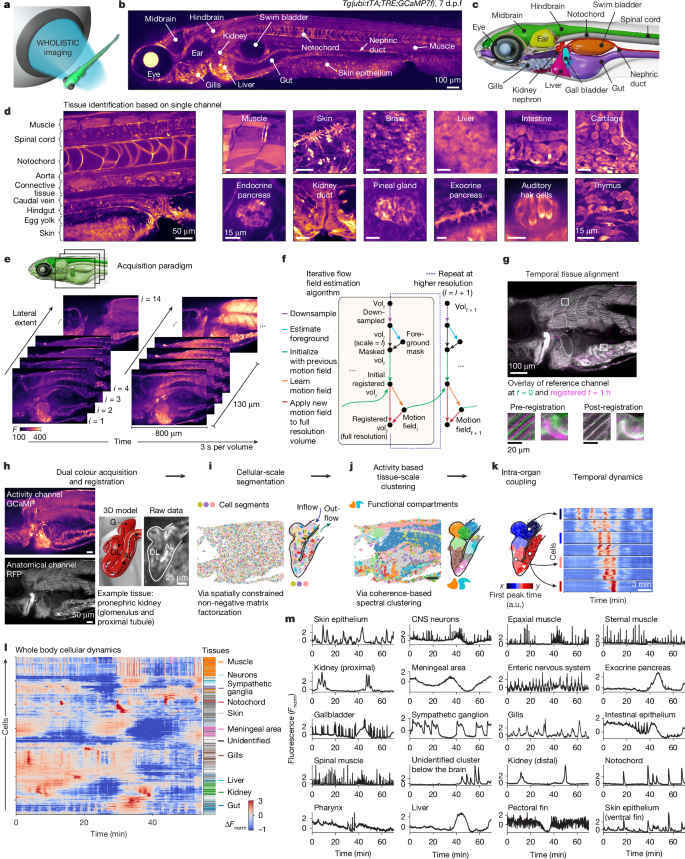 Figure 1, Ruetten et al., Nature 2026, CC BY 4.0, https://www.nature.com/articles/s41586-026-10979-6
Recovering trajectories around an event date nobody recorded
"Large-scale biomedical datasets remain underutilized because the final menstrual period (FMP) age is rarely recorded." — Pridham et al., Nature Medicine
"a 'physiological cliff', defined as abrupt, step-like changes across nearly all physiological systems" — same
Glen Pridham and colleagues borrow a deconvolution from astronomical image de-blurring, then apply it to a national survey and an Israeli health-fund cohort. "Female individuals showed a significant jump in 52/90 laboratory tests", with jump sizes across the two cohorts "strongly correlated (r = 0.89, P = 10−16)". Any large records set with a consequential but unrecorded event date now becomes readable.
One night of clinical sleep recording, 130 conditions
"From one night of sleep, SleepFM accurately predicts 130 conditions with a C-Index of at least 0.75" — Thapa et al., Nature Medicine
The concordance index is 0.85 for dementia and 0.84 for all-cause mortality. The input is full clinical polysomnography. Nothing was tested on a wearable, which is the gap between this result and putting the measurement on a wrist.
Clinical trials
Half the primaquine, same relapse rate
"The cumulative incidence of symptomatic parasitaemia by day 180 was 1·1%" and "a 7-day regimen of 3·5 mg/kg was well-tolerated and non-inferior within the observed 180 days of follow up." — Lancet Regional Health Southeast Asia
An open-label trial at two Indian sites randomised 400 patients with Plasmodium vivax, 201 to seven days and 199 to fourteen. Shortening an old cheap regimen changes adherence without touching the supply chain.
Two fibrosis readouts in one afternoon, both judged on exhaled millilitres
The MAXPIRe trial "did not meet its primary endpoint of the annualized rate of decline in forced vital capacity (FVC)." and "Based on the results observed, Syndax does not plan to move forward with further development of axatilimab in IPF." — Syndax via GlobeNewswire
"The trial met its primary endpoint at the 60 mg dose, with admilparant demonstrating a statistically significant improvement" and "At the 120 mg dose, admilparant slowed the decline of FVC but was not statistically significant." — Bristol Myers Squibb via Business Wire
MAXPIRe enrolled 145 patients, ALOFT-IPF about 1,255. The trade press notes what was withheld: Bristol Myers Squibb "did not disclose the magnitude of FVC change in any arm, between-group differences, or how the statistical analysis plan handled the 2 dose comparisons" (HCPLive).
Two digital-health trials where the cheapest channel did nothing, or harm
"The mHealth intervention yielded no significant effects beyond usual care." — Journal of Nutrition, 266 caregivers randomised in Acre, in the Brazilian Amazon
"telehealth coaching (B = 0.31, p = 0.0051, mean difference = 0.62, 95% CI = 0.19 to 1.04" … "while text messages had a negative effect (B = -0.33, p < 0.0026, mean difference = -0.66" — Lancet Regional Health Western Pacific
The second randomised 303 families in disadvantaged parts of New South Wales. Coaching worked, and the automated messages moved the outcome the wrong way.
Hospitals
Italy: the Court of Auditors finds the drug and device caps breached everywhere
(translated from Italian) "In 2026 it will reach €148,836 million, equal to 6.4% of GDP, up 5.2% on 2025." … "The 8.3% spending cap for direct purchases is exceeded in all 21 Regions and Autonomous Provinces." … "The gap from the cap rose to €2.8 billion and affected all territorial areas." — Quotidiano Sanità Original: "Nel 2026 raggiungerà 148.836 milioni di euro, pari al 6,4% del Pil, in crescita del 5,2% rispetto al 2025." … "Il tetto di spesa dell'8,3% per gli acquisti diretti è superato in tutte le 21 Regioni e Province autonome." … "Lo scostamento dal tetto è salito a 2,8 miliardi e ha interessato tutte le aree territoriali."
A cap exceeded by every region is a budget line rather than a constraint. This is the backdrop for any new device or test entering an Italian hospital.
A mental health crisis in the emergency department has no legal route and no bed
"There is an absence of clear legal powers to lawfully prevent vulnerable individuals from leaving the ED" … "an application under the Mental Health Act 1983 cannot be completed until a bed has been identified, which can take days." … "EDs are not designed to provide therapeutic mental health care and prolonged stays may worsen patients' conditions" — HSSIB
England's health services safety investigations body published the legislative half of this work in April and the care half in September. The gaps compound: no power to keep someone, and no bed to move them to.
Medicine concept of the day
Forced vital capacity, the surrogate that decided both fibrosis trials above
Forced vital capacity is the volume a patient can blow out after a maximal breath in. In idiopathic pulmonary fibrosis, "Among the factors that portend a worse prognosis are older age, male sex, lower forced vital capacity, and lower DLCO." (Merck Manual Professional).
The measurement has a noise floor set by its own standard. The American Thoracic Society and European Respiratory Society ask that "FVC repeatability is achieved when the difference between the largest and the next largest FVC is ≤0.150 L for patients older than 6 years of age" (Graham et al., AJRCCM 2019). That tolerance exceeds the annual treatment effect of the approved drugs: for the newest, nerandomilast, "The adjusted difference between the nerandomilast 18-mg group and the placebo group was 68.8 ml" at week 52 (Richeldi et al., NEJM 2025).
The treatment threshold came from placebo arms. "The estimated MCID was 2-6%." (du Bois et al., AJRCCM 2011). The international guideline set progression at a 5% absolute decline over a year, "a value that was extrapolated from the IPF literature", and justifies the choice this way: "FVC is the physiological parameter most often used to follow patients with IPF because it is associated with prognosis." (Raghu et al., AJRCCM 2022).
The limit to carry into any home-monitoring plan comes from the INMARK trial. "Strong correlations were observed between home- and clinic-measured FVC at all time-points (r=0.72-0.84)", yet "correlations between home- and clinic-measured rates of change in FVC were weak" (r = 0.26 over 52 weeks) and "Variability in change from baseline in FVC was greater when measured by home rather than clinic spirometry." (Noth et al., ERJ 2021). A number can be valid at a single visit and lose its meaning as a slope once it moves to the kitchen table.
Worth knowing
Mass spectrometry screening for monoclonal gammopathy in routine check-ups. "We prospectively enrolled 15,068 consecutive individuals aged ≥30 years undergoing physical examinations"; "MS screening identified 201 positive cases, significantly exceeding the 71 cases detected by SPE"; "After confirmatory testing, 181 samples (1.19%, 95% CI: 1.03–1.37%) were confirmed as true monoclonal gammopathy." The authors name the mechanism: "certain reactive immunoglobulins associated with infections or inflammatory conditions may be classified as clonal by MS". Blood abstract
Speech as a cognitive biomarker in dialysis, with the confound untouched. "these findings provide proof of concept that speech may serve as a clinically relevant biomarker of CI in nephrology", on 63 participants, best weighted F1 0.73 and area under the curve 0.79 for the high-risk group. The authors concede "incorporation bias that may have inflated the apparent superiority of the verbal fluency tasks". Fluid status, known to change the voice across a dialysis session, is addressed only by recording "within the first 30 min of dialysis". Clinical Kidney Journal
A billion-person condition with no cure and no agenda slot. "Almost one billion people are projected to be living with osteoarthritis by 2050", while "The global disability burden attributed to osteoarthritis has increased by 65 per cent between 1990 and 2023", at a cost "accounting for around 1-2.5% of GDP". Care quality was audited once: "only 43 per cent of osteoarthritis care encounters met best-practice standards in 2009-10". Curtin University, on a Lancet policy roadmap for World Arthritis Day
Health systems and policy
The WHO Pandemic Hub wants a 24-hour detection standard by 2030. The strategy, launched at the World Health Summit in Berlin, aims for "a world where every country can detect and understand emerging health threats within 24 hours of their appearance by 2030". Its open-source scanner, Epidemic Intelligence from Open Sources, "uses artificial intelligence to scan thousands of publicly available sources in real time each day" and "is being used by over 125 Member States and 30 regional and international organizations". WHO
Swap debt for health programmes. (translated from French) "Let's swap debt for health programmes, that can finance health", says Professor Nicolas Meda, epidemiologist and former health minister of Burkina Faso, who adds that governments "think health is a cost and not an investment". The aid that was cut, he notes, "was mainly targeted at diseases, pandemics such as HIV". RFI via allAfrica
Original: « Échangeons la dette contre des programmes de santé, ça peut financer la santé » … « pensent que la santé est un coût et non un investissement » … « Cette aide était essentiellement ciblée sur les maladies, les pandémies telles que le VIH »
Brazil approves a paediatric schistosomiasis drug and will make it locally. (translated from Portuguese) Anvisa "authorised (29/9) the registration of the drug arpraziquantel, a paediatric formulation" … "for the treatment of schistosomiasis in preschool children (3 to 6 years)" … "the drug will be produced in Brazil by Fiocruz, through a technology transfer with Merck". Agência Fiocruz
Original: "autorizou (29/9) o registro do medicamento arpraziquantel, uma formulação pediátrica" … "o medicamento será produzido no Brasil pela Fiocruz, por meio de uma transferência de tecnologia com a Merck"
A Senegalese village bought its own ultrasound machine. (translated from French) "Before, a pregnant woman had to travel more than 7 km to get an ultrasound at the Niakhar health district", says Manga Ndiaye of the village youth group, which raised "more than 2.6 million FCFA" for the Ngayokhème health post in Fatick. allAfrica
Original: « Avant, une femme enceinte devait faire plus de 7 km pour aller faire une échographie au district sanitaire de Niakhar » … « plus de 2,6 millions de FCFA »
Patents
Two phone-platform companies are claiming chemistry through the skin. Google's application covers "methods, systems, and devices for estimating the presence of analytes in the tissue of a user", using "a Raman pump light source", where "the analyte can be, for example, glucose" (WO2025136394). Qualcomm's granted claim describes a photoacoustic stack whose total thickness "is equal to or less than 4 mm" (US 12,751,631).
Startups and deals
Stryker takes a position in Europe's largest surgical robotics company. "Stryker said Monday it has partnered with soft tissue robotics firm CMR Surgical" "investing about $400 million into the company" "becoming the exclusive U.S. distributor of CMR's system", and the deal "would give Stryker the exclusive option to buy the robotics company's remaining shares." MedTech Dive
Certification as a venture-backed business. Scarlet raised "a $50 million Series B led by Headline, with participation from new investor Notion Capital". "Scarlet is a government-designated certification body." Its founders built AI medical devices at Babylon Health before starting it in London in 2021, and the wait it targets runs 12 to 18 months for an expert assessment. tech.eu
Single-cell metabolomics sold as fuel for virtual cells. (translated from Chinese) "mass-spec multi-omics data, especially Biotree's MetCell single-cell metabolomics data, is natural fuel for models such as AI virtual cells", says founder Deng Junliang. The Shanghai company closed a Series B of nearly RMB 100 million led by CITIC Securities Capital, for spatial and single-cell metabolomics and proteomics products and labs in Singapore, Europe and the US. PharmCube
Original: «质谱多组学数据,尤其是百趣的MetCell单细胞代谢组学数据是AI虚拟细胞(AIVC)等领域模型的天然燃料。»
Repos and tools
CyteArc, from Nygen Analytics, is a "fast Python framework for single-cell RNA, ATAC, protein, and multi-omic analysis that scales to 100M+ cells", and the authors report "it processed one million cells within 15 minutes". BSD 3-Clause. GitHub
AI: using it well, what's new
A model that improves by training on the best team of copies of itself. "We ask whether a model can learn from the collective intelligence of its own team." … "Training on the best team's executions distills the team's collective experience back into the shared model." … "After the second cycle, score per output token reached 1.2-1.6x the base model's level across four research benchmarks." One 27B open-weights model plays optimizer, judge and worker. Sakana AI
Experimental research taste, measured and doubling. "The experimental research taste of frontier models has doubled every 3.0 months since December 2025" "(95% CI 1.7-5.0 months)", on a benchmark that defines "research taste as the ability to pick interesting problems to solve". "The best model, Opus 5.5, significantly exceeds our human baseline with a compute multiplier of 2.30x" "at roughly 1/30 of our expert baseliners' average cost per attempt". Import AI 476
Other frontiers
A lensless, label-free phase imager that lives in the incubator. The method can "monitor incubating cells for hours or days without staining" and is "compact enough to be placed inside standard cell-culture incubators", with a 46-hour run reported (optics.org). First author Igor Shevkunov at Tampere: "Our SF-PULSE method can reconstruct quantitative phase information from a single measurement image". Group head Meenakshisundaram Kandhavelu: "researchers can follow not only how a cell population changes, but also how individual cells grow". Phys.org
Corners of the web
A microscopy prize was withdrawn over image generation: "Nikon has determined that the winning video did not comply with the competition rules regarding generative AI." (Nikon Small World). A Japanese clinical engineer, meanwhile, maps where AI has entered isothermal diagnostics, and warns that "the three are still separate studies and have not been connected and validated as one pipeline" (Taichi Endoh, Zenn, translated from Japanese; original: 「まだ3つは別々の研究であり、一つのパイプラインとして繋がって検証されたわけではありません」). The readout paper he builds on, from Imperial College with partners in The Gambia and Burkina Faso, reports colour identification accuracy of "99.97%, 100%, and 99.69%" across 1,636 photos from 527 tests (Xu et al., ACS Omega, CC BY).
People and good examples
ChildLife Foundation, Pakistan. It "rehabilitates and manages 14 pediatric emergency rooms within public hospitals" and "links an additional 300 district facilities to pediatric specialists located in major cities through a telemedicine network", so that "Through this model, it reaches 90 percent of the population". The outcome claim: "pediatric mortality in ChildLife-managed ERs dropped to 1.2 percent, comparable to Pakistan's top private hospitals". Chief executive Ahson Rabbani on the method: "It's all about processes". Skoll Foundation
Thomas C. Rindflesch (1947 to 2026). "Tom was one of the pioneers of biomedical natural language processing (NLP)." He built "a broad-coverage, linguistically based system for extracting semantic relations from biomedical text", and running it over all of PubMed "transformed it from a tool for individual texts into an infrastructure for discovery". The result was "a large-scale biomedical knowledge graph of semantic triples extracted from PubMed", whose final release "contained more than 130M triples". Kilicoglu et al., JAMIA Open 2026, CC BY 4.0
Reads and ideas
Cauldrons and strike teams. Ben Reinhardt, who runs the nonprofit lab Speculative Technologies, argues that "healthy research ecosystems are a fractal combination of bubbling cauldrons and transient strike teams." The team works because it ends: "The transience lets you suspend normal rules, incentives, hierarchies, and protocols to just get the job done." … "This state is not sustainable." Speculative Technologies
A country that replaced trial review with notification. In Australia "sponsors simply notify the regulator that they are starting the study", and "the HREC conducts ethical and scientific review concurrently", a human research ethics committee playing the role of a US institutional review board. The route "lets trials begin 6 to 12 months earlier than in the US", with "a 43.5% refundable R&D rebate that includes the cost of Phase I trial activities", and "Australia has run more than 18,000 trials since 2006 with no evidence of differences in safety outcomes". Institute for Progress
Book of the day
Epic Measures: One Doctor. Seven Billion Patients, Jeremy N. Smith (2015), on Christopher Murray and the Global Burden of Disease project. The premise is that policy was being made without a map: "Everyone wants the world to move in a healthier direction. But what we need is a map." and "And if no accurate, sufficiently extensive map exists, someone needs to create one." Murray measured the existing statistics against his goal and judged them "not only inaccurate, but also irrelevant" (Piana, ASCO Post). The gap: "Only 35 percent of deaths worldwide are recorded in death certificates." (Center for Global Development).
The strongest critique is about what a model does where nobody counts. "more than 30% of the world's population live in regions where less than 5% of all deaths are registered", so "the uncertainty intervals reflect more of the internalities of the modelling", and "there may be dangers in relying too heavily on GBD-2010 estimates as a basis for major policy decisions". The authors' own remedy: "In the long term, there can be no substitute for properly counting and accounting for all the world's citizens" (Byass et al., PLOS Medicine 2013, CC BY). Read next to the Senegalese village that bought an ultrasound, the point is concrete: that measurement is in no model's input.