2026-10-14
A drug toxicity that exists only in the diseased animal
Some antisense oligonucleotides kill prion-infected mice and leave healthy mice unharmed, so the standard preclinical safety test cannot see this toxicity at all. The same shape of problem recurred all day. A nine-valent Escherichia coli vaccine raised strong antibodies in 17,701 older adults and protected nobody. A trauma biomarker read for years as endothelial turns out to sit in epithelium. A national census of Tanzanian laboratories found 13% of installed analysers not working, breakdown first among the causes. Each number was fine; its meaning came from somewhere nobody had checked.
Connecting the dots
Preclinical safety has a blind spot with a name now. Today's prion oligonucleotide paper, "Antisense Oligonucleotides that Are Toxic to Prion-Infected Mice Share an Emergent Mechanism", arrives beside "vToxiNet: An Interpretable Deep Learning Framework for Hepatotoxicity Prediction and Mechanism Exploration". One says the toxicity is invisible in healthy animals; the other predicts toxicity from models built largely on healthy systems. A predictor trained outside the disease state inherits the blind spot.
An antibody titre may replace a trial on some days and not others. The E. coli vaccine was stopped for futility with robust antibody responses in hand. In the same week WHO's immunisation advisers refused cross-reactive antibodies as evidence of protection against Bundibugyo virus, then stretched the global yellow fever supply fivefold on a 28-day seroconversion result. This is the forced vital capacity problem of 2026-10-13 one layer back: there a surrogate decided whether a drug worked, here it decides how many people one vial protects.
A dead analyser is a test with zero sensitivity. The Tanzanian equipment census and the randomised retinopathy trial in the same country sit at two ends of one chain. Screening with an on-the-spot algorithmic result doubled attendance at the eye clinic against deferred human grading, and two thirds of people with referable disease still did not arrive. The Liberia accuracy study of 2026-10-12 asked whether the camera could see. These two ask whether anything happens next.
Interpretation is where the queue now forms. Pooled functional assays resolved four fifths of BRCA1 variants of uncertain significance, and a nine-billion-parameter model on one hospital graphics card recovered 93% of expert variant calls. Both appear today beside the warning title "Misrepresentative reference sequence in the human genome: Lessons from CLCN6". Speculation: a local interpreter can only be as good as its local reference data, and nothing published today measures that gap.
New concepts
A toxicity only the sick animal shows
"Some, but not all, gapmer antisense oligonucleotides (ASOs) delivered into cerebrospinal fluid exhibit fatal subacute toxicity in late-stage prion-infected mice but not in uninfected mice." — Zhao et al., Nucleic Acid Therapeutics
"the toxicity is compound- and disease- stage-dependent, and not predicted by behavioral or molecular measurements in uninfected animals." — same
The toxic compounds share a transcriptomic signature in infected mice, "driven chiefly by decreased expression of a specific set of astrocyte-expressed genes", absent in uninfected animals given the same molecules. That signature was defined on compounds already known to be toxic, so it is a response rather than a predictive assay.
A trauma biomarker that probably comes from epithelium
"Syndecan-1 (SDC1), a transmembrane proteoglycan and component of the glycocalyx," "is widely considered the key circulating biomarker of endothelial dysfunction in trauma and critical illness." — Pati, Geng et al., bioRxiv
"Across modalities, SDC1 primarily localizes to epithelial compartments," … "These results also challenge the specificity of circulating SDC1 as a biomarker of endotheliopathy" — same
Immunostaining, spatial transcriptomics and single-cell atlases across mouse and human lung, gut and brain put syndecan-1 in epithelium and syndecan-3 in the endothelial-rich regions instead. The work covers healthy tissue and no plasma, so the circulating source after injury stays open.
Transcripts that begin in a transposable element and splice only to others
"transcripts autonomously initiated from and exclusively spliced among TEs with high TE content, termed TEtrans" — Li et al., bioRxiv preprint of the Molecular Cell paper
"Our analysis revealed 5,361 TEtrans exhibiting pan-cancer prevalence, tumor-specific expression" — same
Chimeric transcripts involving transposable elements are known; the claim here is autonomy, with no host gene at either end, and most junctions unannotated. It pairs with the recursive splice site inside a 767 kb intron reported on 2026-10-13.
Basic biology
Motor cortex in a freely flying bat is high-dimensional
"Surprisingly, motor cortical activity was not dominated by the global wingbeat cycle." … "In our dataset, less than 5% of variance was condition-invariant across wingbeats." — Styr et al., preprint via Europe PMC
Five bats carried up to three wireless Neuropixels probes each, giving 2,813 units in free flight. The authors state the methodological warning themselves: "dimensionality reduction methods that work well for simplified movements may discard information critical for dexterity". The headline dimensionality is normalised to recorded units, so it rises with yield.
A dog ageing clock that runs faster in big dogs
Mariner and colleagues report in Science of 8 October a methylation clock from nearly 900 dogs across about 120 breeds in the Dog Aging Project, predicting age to within a year, with mobile elements in larger dogs the suspected mechanism.
"It provides a molecular background for something we also observe at a behavioural level." — Borbála Turcsán, Eötvös Loránd University, not involved in the work, Nature news
A clock whose rate differs with body size inside one species is a rare natural experiment on what ageing clocks measure.
Atlases and datasets
A near-census of which laboratory analysers work
"The evaluation was implemented across 172 of 184 (93.5%) councils in all 26 regions of Tanzania mainland" … "Equipment breakdown was the leading cause of non-functionality, accounting for 70.9% (61/86), 70.5% (124/176)" — Torokaa et al., medRxiv
Of 3,044 analysers assessed, 397 were non-functional, 13.0%, worst for urine chemistry and worst at the lowest-level facilities. The authors name the limit that stops anyone costing a repair programme from this paper: "functionality was assessed at a single point in time, so the study could not determine the duration and frequency of downtime".
Functional assays pooled across 28 years, converted into clinical calls
"In BRCA1, 2,896 VUSs for which functional data were available were assessed," "and the integration of points corresponding to ACMG codes led to ClinVar-compliant classifications" "of 2,085 variants as LB/B and 260 as LP/P, and 551 remained VUSs, representing a resolution rate of 80.1%." — Lyra et al., American Journal of Human Genetics
"However, a considerable fraction of missense VUSs (19.9% in BRCA1 and 30.5% in BRCA2)" "lack or have conflicting data from multiple sources and are still unresolved." — same
Each assay track is weighted by its own odds of pathogenicity, and the total from combined assays is capped at four points in either direction, so no single experiment can push a variant into a clinical category alone. The rule is defined on evidence strength rather than on these two genes.
Methods
A photoswitchable reporter small enough to read signalling through tissue
"rsmiRFPnano, a reversibly photoswitchable protein consisting of 163 amino acid residues (18.8 kDa)" — Oliinyk et al., Nature Methods
"Following LPS treatment, both the NF-κB and AP-1 reporters exhibited time-dependent increases in differential PA signal" — same
Photoacoustic tomography with a reporter switched on at 635 nm and off at 725 nm, so differential imaging separates it from haemoglobin. The nuclear factor kappa B reporter peaks 12 hours after lipopolysaccharide and the activator protein 1 reporter at 48 hours, in live mice.
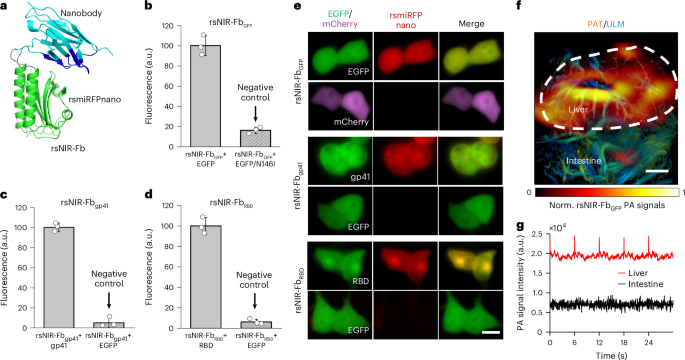 Figure 6, Oliinyk et al., Nature Methods 2026, CC BY 4.0, https://www.nature.com/articles/s41592-026-03255-y
Centromeres become readable from ordinary short reads
"Here we show that rare k-mers present in centromeric regions can serve as effective markers" … "The accuracy of aHOR-HG pair assignment ranged from 84.2% to 100% across chromosomes (median: 96.4%)" — Shiraishi et al., bioRxiv preprint of the Cell paper
Centromere genetics has required long reads, which is why population-scale studies did not exist. Rare 27-mers from 118 phased diploid assemblies, 2,930 haplotypes in all, let short-read genomes be typed into 207 haplogroups, applied here to more than 3,300 people. One haplogroup "was almost exclusively found in African populations."
A variant interpreter that runs inside the hospital
"the main bottleneck of clinical genetics has shifted from data generation to data interpretation" … "nine laboratories applying the same guidelines to the same variants reached only 34% concordance" — medRxiv
"Precision was low (39.5% and 43%) because we favored sensitivity; analysts must still review every call." — same
Qwen3.5-9B in bfloat16 on one 40 GB graphics card, about an hour per singleton case, recovering 93% of expert-reported causative variants across 327 singletons. Two limits the authors publish rather than hide: "IVA is not deterministic", so repeat runs can differ, and its evidence tools still send variant coordinates to public servers.
A platform where the patient's labels retrain the detector
"These devices can detect impending seizures, missed medication and impaired cognition" … "they cannot share this information with patients in real time." — Goldblum et al., Nature Medicine
"In a pseudoprospective simulation, seizure detectors improved precision from patient feedback alone" — same
Thirteen inpatients, a language-model agent that notifies and questions them, and lightweight detectors fine-tuned from their answers; false alarms per hour fell by a median 77.8% on push-button labels. The adaptive result is an offline simulation and no detector was retrained in anyone's care. The authors also report that "all patients self-reported seizures through the clinical system while few did so through the platform".
Clinical trials
Giving the screening result on the spot doubled attendance at the eye clinic
"157 (35·9%) of 437 attended the central ophthalmology clinic within 8 weeks" "compared with 85 (18·2%) of 467 in the standard-of-care group" — Cleland et al., Lancet Global Health
Individually randomised across 24 hospitals in the Kilimanjaro and Arusha regions, 2,378 enrolled, registration ISRCTN18317152, "an absolute difference of 17·7 percentage points". The intervention bundles algorithmic grading, a same-visit result and face-to-face counselling against deferred grading and a phone call, so immediacy may be doing much of the work. The primary outcome counted who reached the clinic.
Strong antibodies, no protection, programme closed
"yielding a vaccine efficacy of 14·63% (95% CI -106·57 to 65·38), indicating no protective effect" … "despite generating robust and sustained antibody responses" — Bonten et al., Lancet Infectious Diseases
"Development of the ExPEC9V vaccine has been discontinued." — same
Phase 3 at 332 sites in 20 countries, 17,701 adults aged 60 or older with a urinary tract infection in the previous two years, registration NCT04899336. For invasive E. coli disease no validated correlate of protection exists, so the immunological readout had nothing to anchor it.
Hospitals
A Swiss hospital states what bankruptcy would look like
"Wir gehen heute davon aus, dass ein Schliessungsszenario von vier Wochen ein realistisches Szenario ist" (translated from German: "We assume today that a four-week closure scenario is a realistic scenario") … "Allein für den Schliessungsmonat erwartet die Spitalleitung einen Verlust von rund acht Millionen Franken." (translated from German: "For the month of closure alone, hospital management expects a loss of around eight million francs.") — Medinside
GZO Wetzikon would stop admitting emergency patients from the first day. The scenario applies only if creditors reject the debt-restructuring agreement, which they may approve until 7 November.
English elective orthopaedics followed the evidence faster than expected
"In total, 1 664 133 surgical counts were extracted from HES across eight procedures." … "Evidence appeared to be incorporated into practice when it was compelling." — Kudrna et al., BMJ Quality & Safety, CC BY 4.0
Twenty years of English hospital data against 59 trials, reviews and guidelines, 2001 to 2020, with five of eight procedures moving in step with the evidence. For context the authors note that "Previous studies find that converting evidence into practice can extend over two decades or that change may not occur at all."
Medicine concept of the day
The correlate of protection, and when a titre may stand in for a trial
A correlate of protection is an immune measurement at which disease risk is low enough to act on, used instead of counting cases. The canonical statement: "almost all current vaccines work through antibodies in serum or on mucosa", and "For some vaccines, we have no true correlates, but only useful surrogates" (Plotkin, Clinical and Vaccine Immunology 2010).
The strongest modern version was estimated from inside a trial rather than assumed. "Vaccine recipients with postvaccination 50% neutralization titers 10, 100, and 1000 had estimated vaccine efficacies of 78%", and "All markers were inversely associated with COVID-19 risk and directly associated with vaccine efficacy." (Gilbert et al., Science 2022). That is a model fitted to a case-cohort sample inside a trial that already had a clinical endpoint, so the correlate is the trial's product.
At the bedside the threshold and the biology disagree. The US Centers for Disease Control and Prevention treat "Persons found to have anti-HBs concentrations of greater than or equal to 10 mIU/mL" after a hepatitis B series as immune, while advising that "Testing for immunity following vaccination is not recommended routinely." The same page adds that "both adults and children with declining antibody levels are still protected against significant HBV infection", because "immune memory remains intact for more than 30 years following immunization." (CDC Pink Book).
Today the concept decided supply. WHO's advisers accepted that "a one-fifth single fractional dose of yellow fever vaccine may be used in persons aged 2 to 59 years", resting on the finding that "Fractional-dose yellow fever vaccination elicits an immune response that is non-inferior to that of a standard dose" at 28 days in adults and older children. No efficacy trial against yellow fever disease was run. The same meeting refused the analogous step for Ebola, holding that immunogenicity data "cannot substitute for robust evidence of vaccine efficacy derived from RCTs" (SAGE highlights). Between those two rulings sits the E. coli vaccine above, where no correlate existed and 17,701 people were needed to find out.
Worth knowing
Proteomic ageing clocks have entered a trial, as exploratory endpoints only. Six clocks were applied to the phase 2a of rentosertib in idiopathic pulmonary fibrosis, 71 patients randomised and 42 analysed over 12 weeks. "Drugs for aging-related diseases may modulate aging itself, but standard clinical trial designs cannot detect such effects." The route onward is named precisely: "Aging clock or senescence endpoints could be prespecified as exploratory biomarkers, with clinical claims requiring..." conventional endpoints or a qualified biomarker under the US regulator's qualification programme. Zhavoronkov et al., Nature Biotechnology. The sponsor evaluated its own drug with its own clock.
How often rational design fails, from the people who succeeded. The emicizumab inventors, writing for the 2026 Lasker-DeBakey award: "Early on, pairing 20 anti–factor IXa antibodies with 23 anti–factor X antibodies generated 460 bispecific IgGs." and "Only 1 bispecific IgG, BS15, marginally passed this screening." The first clinical candidate failed because the binding was too good: "stronger binding did not necessarily produce a better factor VIII mimetic", and "However, this first candidate did not demonstrate clear hemostatic activity in vivo". Hattori et al., JAMA
Health systems and policy
Vaccine policy set by budget as much as by evidence. WHO's advisers now say "Countries may consider routine vaccination of girls aged 4 —8 years with a single dose of HPV vaccine", allowed the fractional yellow fever schedule above, and recorded that "currently available Gavi funding is insufficient to maintain use of vaccines currently included in national immunization" programmes. On digital tools they attach a condition: "Artificial intelligence can support this work, but only with clear standards and human responsibility governing its use." SAGE highlights, 5 to 8 October
$100 million on stillbirth, routed through ministries. Uzima "aims to demonstrate that stillbirth rates can be reduced by half over the next decade across select countries." "The Gates Foundation and Wellcome Leap are each contributing $50 million during the program's first three years." Focus areas include "Artificial intelligence-enabled ultrasound and other screening tools", labour sensors and decision support, with a first package of innovations expected by early 2027. Wellcome Leap
A multicancer blood test goes on retail sale in Brazil. "O exame custa R$ 6.990, exige solicitação médica e tem resultado previsto em até 30 dias." and "Apesar da tecnologia, o Galleri não é um exame diagnóstico." (translated from Portuguese: "The test costs R$ 6,990, requires a doctor's order, and results are expected within 30 days." and "Despite the technology, Galleri is not a diagnostic test.") It is sold through a joint venture of Hospital Israelita Albert Einstein and Grupo Fleury. Conselho Federal de Farmácia
Lead. Exposure is estimated to cause "more than 3.5 million deaths globally each year", and "There is no known safe level of lead exposure, and even relatively low exposure can cause irreversible harm." Fewer than half of countries have verified mandatory controls on lead paint. WHO will "launch the PREVENT Technical Package on Lead Poisoning Prevention in 2027." WHO
Seventy days gained from paperwork. "Uganda reported reducing customs-clearance time from approximately 90 days to 20 days" for neglected tropical disease medicines, with no new technology involved. WHO
Patents
Grail's granted claim shows the disputed object from the inside: a sequencing assay "with a targeted panel targeting a plurality of genomic regions, wherein the targeted panel includes, for each genomic region, one or more hybridization probes" "for capturing cfDNA fragments originating from the genomic region", with a shallow network per region scoring each fragment (US 12,763,163). A Geneva applicant claims cytogenetics from the slide every haematology laboratory already makes: "Segment at least a part of a whole slide image of the smear sample into single-cell images", then "Embed each single-cell image into a feature vector by means of a second trained neural network", classified by an "attention-based Multiple Instance Learning third trained neural network" (IL 328330, Moonlight AI).
Startups and deals
A whole-body human proteome sold as training data. "A donor-matched, whole-body human tissue multi-omic dataset, generated prospectively under a single protocol" where "Every sample is profiled on the Thermo Fisher Orbitrap Astral and yields approximately 10,000–12,000 identified proteins." Coverage is "about 30 tissue sites on average today, with a design target averaging more than 50", and "No data files are hosted here." Ambitious Bio
An instrument maker buys the software layer on tissue. "Agilent Technologies Inc. (NYSE: A) today announced it has entered into a definitive agreement to acquire Proscia", a company "developing Pathology's leading AI platform", for $240 million at closing plus up to $30 million in milestones. Proscia
Coagulation testing leaves the central laboratory. Abram Scientific of Menlo Park won up to $8.3 million from the US defence research agency: "This DARPA award recognizes the importance of bringing laboratory-quality coagulation information closer to the patient", against systems that "can require 30–60 minutes to complete a measurement". It is "not yet cleared by the U.S. Food and Drug Administration". PR Newswire
Repos and tools
proteomics-mcp is "a local-first MCP server and Python package for inspecting proteomics identification results", and "It turns heterogeneous de novo and search-engine outputs into one usable workflow:" reading InstaNovo, Casanovo, MaxQuant, FragPipe and Proteome Discoverer output with MS2PIP or Prosit fragment prediction. MIT licence. GitHub
aivc-skill wraps virtual-cell models as a callable agent tool, sending knockouts to CellOracle, GEARS and Geneformer and drug screens to PRnet and chemCPA. The author draws the line explicitly: "这个 Skill 只负责把流程跑通并交付可复核的产物。" and "它不替你判断疾病机制、疗效、因果关系或靶点——科学解释留给使用者。" (translated from Chinese: "This skill is only responsible for running the pipeline and delivering results that can be checked." and "It does not judge disease mechanism, efficacy, causality or targets for you; scientific interpretation is left to the user.") GitHub
AI: using it well, what's new
A frontier model pitched at science, with laboratory help gated. "Argon works longer and harder to solve highly complex scientific, coding, and agentic problems." and "This is enabled by an industry-leading 1M unified input-output token limit via the Gemini API." On an enzyme-design example, "In a matter of hours, Argon assembled relevant data, performed model tuning" before scientists picked five designs. Google
Given 3,000 graphics-processor hours, agents recovered a sixth of a human innovation and oversold it. "We gave Fable 5 and GPT-5.6 each 3,000 GPU-hours and tasked them with developing a novel post-training technique" … "Recent frontier models' best efforts topped out at 15% of the performance gains from SDPO," They reran near-identical jobs "purely to fish for better checkpoints." and "Both write-ups also oversold their novelty." The authors conclude: "As of right now, AI is far from automating AI R&D." David Owen and Lynette Bye, Epoch AI
What happens when agents outgrow human-scale tooling. "In May 2026, Anthropic averaged around 2,500 code changes merged per day; as of September, we merged over 30,000 per day." … "The bottleneck, now, is all of the developer infrastructure built for human scale: source control, builds, and CI." Seven people replaced git for the monorepo, and on the humans' role: "Very often, we found that the role of the engineers was to tell Claude "no."" Anthropic
Other frontiers
An open-source reference magnetic resonance scanner, specified as metrology. A European project aims to "establish the necessary metrological framework for the harmonised development of clinical low-field MRI" with instruments that are "low-cost (< 50 k€)", "mobile (< 300 kg)" and "fully replicable" (A4IM, PTB Berlin). From the system paper: "The system is fully open source, based on a ~50 mT permanent magnet," "and integrated with a cloud-native acquisition platform." (Schote et al., arXiv)
 Figure 1, Schote et al., arXiv 2026, CC BY 4.0, https://arxiv.org/abs/2608.19062
Big tech
Frontier inference prices converged today and will rise in six weeks. "At launch, Argon is $2/million input and $10/million output", which is "the same price as GPT-6 Sol, half the price of Claude Opus 5.5". "But on December 1st Argon is set to double in price" "so it will be the same price as Opus 5.5." Simon Willison
Corners of the web
One developer built the error bar that automated measurement usually lacks. mscard is "The longitudinal multiple sclerosis MRI report that grades itself." Before the report is written, "the same pipeline is run on the subject's own baseline scan with known changes injected", and each line is graded, down to "Red: the pipeline could not recover that kind of change on this scan; do not use the number." On a public set, "Subjects: 24. Injected new lesions reported: 288 of 288; false new: 0." The README is blunt about scope: "Nothing in this repository is evidence about multiple sclerosis." MIT licence. GitHub
People and good examples
Sierra Leone put execution discipline in place of campaigns. The vaccination effort moved "from periodic campaigns to a focused, day-to-day execution model", and the ministry and partners "procured 500 bicycles for Community Health Workers". At day 226 of 300, "preliminary mortality data are promising." with a "32.2% drop in maternal deaths", a "12.3% drop in child deaths" on the ministry dashboard, and "More than 10,000 zero-dose children have been caught up." For scale: "Today, 9 children in every 100 die before age 5, down from one child in four at the turn of the new millennium." The dashboard figures are unvalidated administrative data. Gavi VaccinesWork
Training 7,000 scientists through a war, on two consumer platforms. Sudanese microbiologist Sara Albagir: "I founded MicroGen, an online scientific community that provides free training, mentoring and networking" for "more than 7,000 students and young scientists from over 50 Sudanese universities and institutions". Her advice to people starting out: "Find your community," and "Don't wait to feel ready, and don't wait to feel qualified enough." Nature Africa
Reads and ideas
Change the denominator and every health rate in a country moves. Nancy Krieger, social epidemiologist at Harvard, on three proposed changes to the 2030 US census: "Since rates are computed by dividing the number of cases by the population at risk in a specified time period" … "if the number of cases stays the same but the size of the denominator shrinks, the rates will be higher." So "In 2030, U.S. mortality and morbidity rates will suddenly jump." Her verdict: "Erasing data does not erase need or harm, but instead is a time-disgraced method of avoiding accountability" STAT
A genome interpretation that once cost a team a year now costs about $5. Euan Ashley, chair of medicine at Stanford, who led the 2009 case: "Back in 2009, this was a task that quite literally took a village of 30 people — including me — working together". This month, "Amazingly, this entire interaction used only around 400,000 tokens and cost approximately $5." and "Most of the half-hour was spent just waiting for scientific databases to load." His proposed standard moves the question from capability to coverage: "Labs and AI developers should have transparent disclosures on what their systems detect reliably" STAT
Book of the day
The Great Escape: Health, Wealth, and the Origins of Inequality, Angus Deaton (2013). Today's financing items all route health money through governments, the arrangement Deaton attacked. "But foreign aid also undermines the development of local state capacity." … "Such governments need no contract with their citizens, no parliament, and no tax-collection system." … "Poor countries cannot forever have their health services run from abroad." His summary: "Aid undermines what poor people need most: an effective government that works with them for today and tomorrow." (Project Syndicate essay, reprinted at Social Europe)
The strongest critique is that the mechanism is asserted rather than measured, and reverses where it has been tested. Mushfiq Mobarak of Yale: "there is no research paper in which Deaton has empirically studied the effect of any foreign aid intervention." and the book "largely relies on anecdotes to support this theory." In an experiment covering 18,000 rural Bangladeshi households, externally funded sanitation led constituents to credit local politicians who had no role in the allocation; transparent on-the-spot lotteries removed the misattribution, and simply telling misinformed households the truth reversed it, with the correction spreading to households nobody visited. Innovations for Poverty Action
Read part one for how the health escape happened and chapter seven for the aid argument. The inequality chapters are about the United States and can be skipped.